1. Is the Plate Heat Exchanger Suitable for My Process Requirements?
1.1 Is the Heat Exchanger Compatible with My Process Media?
You should inform the supplier about the types, chemical compositions, and physical properties of the fluids on both sides of the heat exchanger. This includes whether the fluids are corrosive, highly viscous, or contain suspended particles. The supplier should evaluate whether the equipment structure, plate materials, and flow channel design are suitable for your application.
1.2 Can the Heat Exchanger Meet My Required Heat Transfer Capacity?
Clearly specify the required heat duty, inlet and outlet temperatures, and flow rates of both fluids. The supplier should perform thermal calculations based on your actual operating conditions. Before purchasing, confirm that the equipment can meet the required heat transfer load and support your production process.
1.3 Can the Equipment Handle Actual Operating Conditions?
In addition to normal operating conditions, inform the supplier about possible fluctuations in flow rate, temperature, and intermittent operation. The supplier should evaluate the equipment's operating stability and confirm whether it can accommodate the expected variations in load.
2. What Are the Main Technical Specifications of the Plate Heat Exchanger?
2.1 What Are the Design Pressure and Design Temperature?
Ask the supplier to specify the design pressure, maximum allowable working pressure, and design temperature on both sides of the heat exchanger. These parameters must meet the requirements of your system. They should be determined based on actual operating conditions, pressure fluctuations, and applicable design standards, rather than relying solely on normal operating pressure and temperature.
2.2 What Are the Heat Transfer Area and Number of Plates?
The heat transfer area and number of plates affect the equipment's heat transfer capacity, overall dimensions, and flow channel configuration. Ask the supplier to provide these specifications and explain whether they are based on thermal calculations. This helps ensure that the equipment configuration matches your application requirements.
2.3 What Are the Inlet and Outlet Connection Sizes and Pressure Drops?
Confirm the inlet and outlet diameters, connection types, port locations, and allowable pressure drops. Excessive pressure drop may increase circulation pump energy consumption. Therefore, these parameters should be evaluated together with the pump head and piping resistance of the system.
3. What Materials Are Used for the Plates and Gaskets?
4. What Are the Heat Transfer Performance and Operating Efficiency?
4.1 Can the Supplier Provide a Thermal Calculation Report?
Request a thermal calculation report based on your actual operating conditions. It should include the heat transfer duty, inlet and outlet temperatures, flow rates, and heat transfer area. Reviewing these data helps determine whether the equipment can meet your process requirements.
4.2 How Is the Actual Heat Transfer Performance Guaranteed?
Ask the supplier how the heat transfer performance is verified and whether performance testing or acceptance criteria can be provided. For critical industrial projects, performance requirements and acceptance conditions can be clearly specified in the contract.
4.3 Has the Effect of Fouling on Heat Transfer Been Considered?
Impurities, minerals, and other deposits in the process fluids may accumulate on the plate surfaces, reducing heat transfer efficiency and increasing flow resistance. Confirm whether the supplier has considered fouling resistance, cleaning requirements, and actual fluid conditions. This helps prevent significant performance deterioration during long-term operation.
5. Is the Plate Heat Exchanger Easy to Clean and Maintain?
5.1 Can the Equipment Be Disassembled for Cleaning?
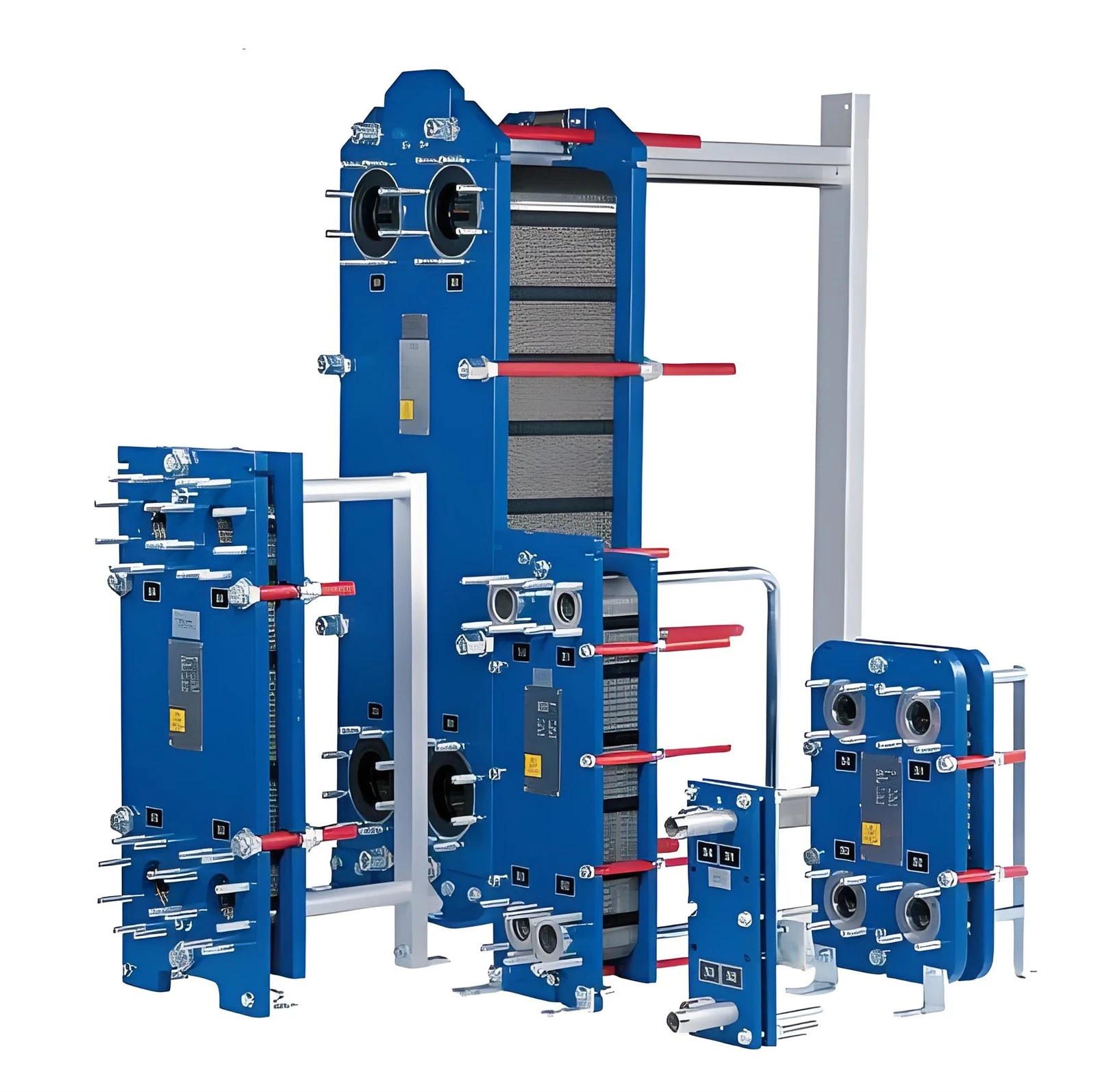
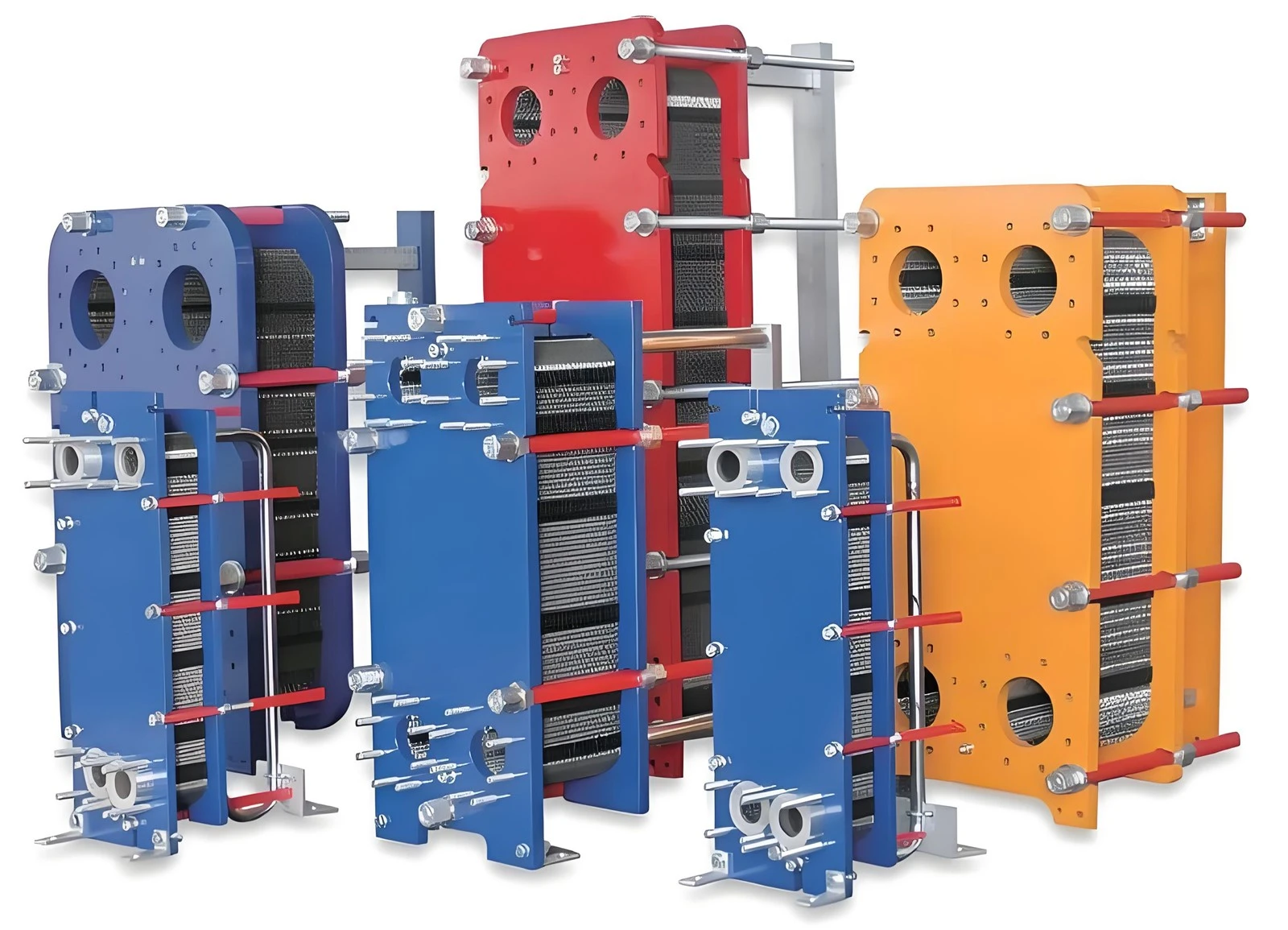
For gasketed plate heat exchangers, confirm whether the equipment can be opened for mechanical cleaning and whether the disassembly process is convenient. You should also understand the plate removal and installation procedures, required tools, and maintenance space to facilitate future servicing.
5.2 Does the Equipment Support Chemical Cleaning or CIP?
If chemical cleaning or clean-in-place (CIP) is required, confirm that the plates, gaskets, and other wetted components are compatible with the cleaning agents and cleaning temperatures. The cleaning procedure should also consider the cleaning solution concentration, circulation flow rate, and cleaning duration to prevent equipment damage caused by improper cleaning.
5.3 Are Wear Parts Easy to Replace?
Ask how components such as gaskets and plates can be replaced and how often maintenance may be required. Confirm whether the supplier can provide the necessary spare parts. Understanding spare parts availability helps you develop a maintenance plan and reduce equipment downtime.
6. Does the Equipment Meet Relevant Standards and Quality Requirements?
6.1 Does the Equipment Comply with Applicable Design Standards?
Ask which design, manufacturing, and inspection standards the equipment follows. Confirm that these standards meet the requirements of your project location and industry. For export projects, clarify the applicable regulations, certifications, and documentation requirements in the destination country.
6.2 What Inspections Are Performed Before Delivery?
Ask whether the supplier performs pressure testing, leakage inspections, and other necessary factory inspections. You can also request details about the inspection procedures, acceptance criteria, and relevant records to verify equipment quality.
6.3 Can the Supplier Provide Complete Technical Documentation?
Confirm whether the supplier will provide an operating manual, equipment drawings, technical data sheets, material certificates, and inspection reports. For projects requiring installation and commissioning, clarify whether installation guidance and operation and maintenance documentation are also included.
7. What Are the Installation Requirements and Auxiliary Equipment Needs?
8. What Is Included in the Quoted Price?
8.1 Does the Quotation Include the Complete Equipment?
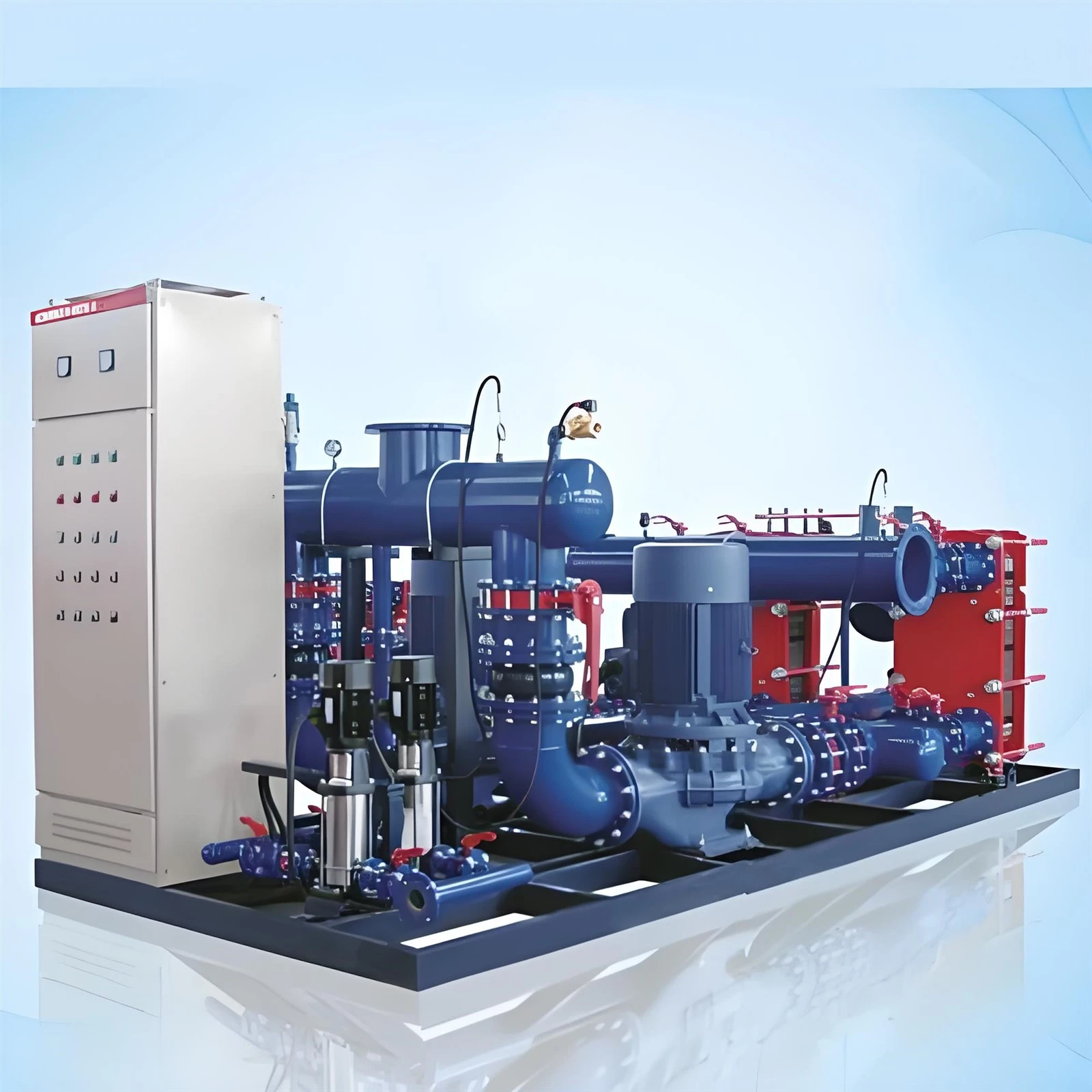
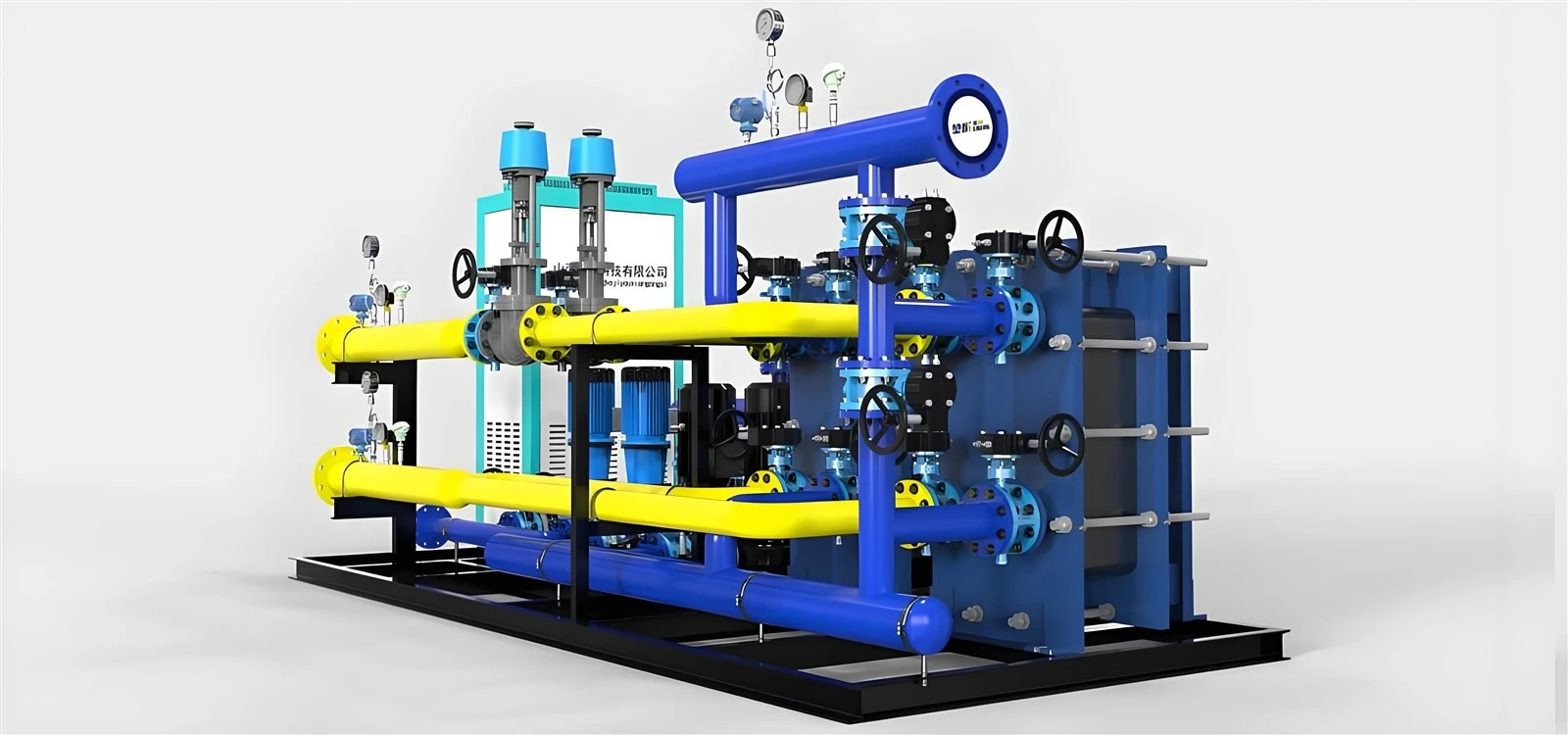
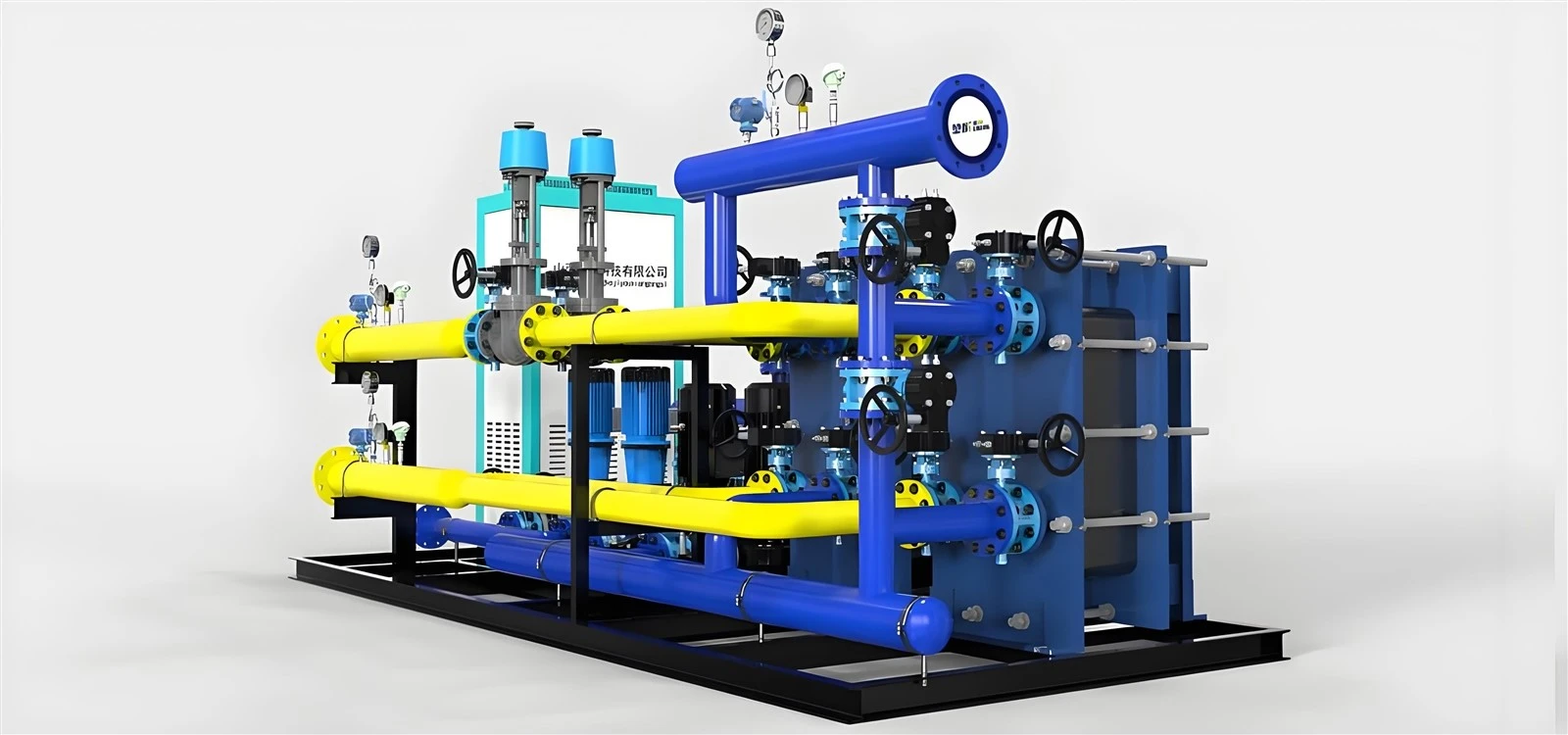
Confirm whether the quotation covers only the plate heat exchanger or includes the complete equipment, such as the frame, plates, and gaskets. For a heat exchanger unit, check whether pumps, valves, control cabinets, and piping are included in the quoted price.
8.2 Are Packaging, Transportation, and Taxes Included?
Ask whether the quotation includes export packaging, domestic transportation, international freight, insurance, and applicable taxes. Clearly define the trade terms and delivery location. For international purchases, also confirm the quotation currency and payment method to avoid unexpected costs.
8.3 Will the Price Change if the Materials or Operating Conditions Change?
The plate material, gasket material, design pressure, heat transfer area, and special process requirements may all affect the final price. Ask the supplier to clearly specify the technical conditions on which the quotation is based. If the technical requirements change, the price should be reconfirmed.
9. What Are the Delivery Schedule and After-Sales Service Arrangements?
9.1 What Is the Production and Delivery Lead Time?
Ask how long it will take from order confirmation and technical approval to production completion and shipment. If your project has a specific schedule, confirm whether the supplier can meet the required delivery date and clarify how delivery delays will be handled.
9.2 What Are the Warranty Period and Coverage?
Clarify the warranty period, when it begins, and which components are covered. Confirm whether plates, gaskets, and other components have different warranty conditions. You should also understand the supplier's responsibilities in cases involving material defects, manufacturing issues, or normal wear and tear.
9.3 Does the Supplier Provide Technical Support and Spare Parts?
Confirm whether the supplier provides installation guidance, commissioning support, troubleshooting, and maintenance recommendations. For industrial equipment designed for long-term operation, it is also important to understand the availability and lead time of commonly used spare parts.
10. What Contract and Acceptance Terms Should Be Confirmed Before Ordering?
10.1 Are the Technical Specifications Included in the Contract?
The contract or technical agreement should specify key details, including the equipment model, heat transfer duty, design pressure, design temperature, process media, materials, and connection specifications. Both parties should also confirm the final approved version of the technical documents to avoid misunderstandings during manufacturing.
10.2 What Are the Payment Terms and Delivery Conditions?
Clearly define the deposit percentage, balance payment schedule, payment currency, and delivery terms. Confirm whether payment milestones are linked to production progress or equipment acceptance. For international orders, also specify the applicable Incoterms and delivery location.
10.3 What Are the Equipment Acceptance Criteria and Procedures for Non-Conformity?
Agree on the equipment acceptance requirements, inspection items, and relevant technical specifications before placing the order. Clearly define the procedures and responsibilities for rectification, repair, or replacement if the equipment does not meet the contractual requirements. For critical projects, performance testing, delivery documentation, and after-sales response requirements can also be specified.
If you want to know more about heat exchanger units or are interested in purchasing, please send an email to 9988xiaoshuai@gmail.com, we will reply you in time after seeing the message!
Professional team
Our company is equipped with a high-quality after-sales service team with technical personnel as the core, and will provide timely feedback upon receiving service information notifications from users.
7x24 hours delivery
Our company provides free technical support for the products we sell and organizes technical training for relevant personnel.