


Q1: What is a heat exchanger?
A heat exchanger is a type of thermal equipment designed to transfer heat energy between two or more fluids with different temperatures. The fluids exchange heat through a heat-transfer surface, such as metal plates or tubes, while remaining separated to avoid direct mixing.
The basic working principle is that heat naturally transfers from the high-temperature fluid to the low-temperature fluid through the heat-transfer wall. Through this process, one fluid releases heat and is cooled, while another fluid absorbs heat and is heated.
Heat exchangers are important components in many industrial systems because they improve energy utilization, control process temperatures, and enhance overall system efficiency.
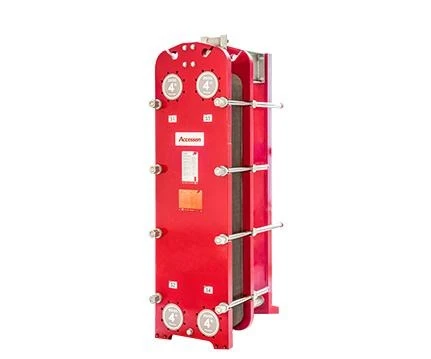
1. Efficient Heat Transfer Between Fluids
The primary function of a heat exchanger is to achieve efficient thermal energy exchange between hot and cold fluids.
It transfers heat through conductive materials without mixing different fluids, ensuring safe and stable operation.
The heat transfer performance depends on factors such as temperature difference, flow rate, heat-transfer area, fluid properties, and material selection.
Proper design can maximize heat transfer efficiency while reducing energy losses.
2. Heating and Cooling Applications
Heat exchangers are widely used for both heating and cooling processes according to different industrial requirements.
In heating applications, heat from steam, hot water, or other heat sources is transferred to the process fluid.
In cooling applications, heat is removed from hot fluids by cooling water, refrigerants, or air.
They provide reliable temperature adjustment for industrial production and energy systems.
3. Temperature Regulation and Process Control
Heat exchangers help maintain stable operating temperatures during industrial processes.
Precise temperature control improves product quality and ensures production consistency.
They prevent overheating or excessive cooling that may affect equipment performance.
In industries such as chemical, pharmaceutical, and food processing, accurate temperature control is essential for safe production.
4. Energy Recovery and Energy Saving
Heat exchangers can recover waste heat generated during industrial operations and reuse it in other processes.
By recycling thermal energy, companies can reduce fuel consumption and operating costs.
Heat recovery systems improve overall energy efficiency and support sustainable industrial development.
They are commonly used in waste heat recovery, exhaust gas cooling, and process optimization systems.
5. Improve System Efficiency and Reduce Operating Costs
High-efficiency heat exchangers can provide better heat transfer performance with a smaller installation space.
They reduce energy consumption by improving the utilization rate of heating and cooling resources.
Optimized heat exchanger design helps lower maintenance costs and extend equipment service life.
Efficient thermal management improves the overall performance of industrial systems.
6. Protect Equipment and Improve Operational Safety
Heat exchangers help maintain suitable temperatures and prevent equipment damage caused by overheating or freezing.
They protect important equipment such as boilers, compressors, pumps, and refrigeration systems.
Proper pressure and temperature control reduces the risk of system failures.
Reliable heat exchange equipment improves the safety and stability of industrial operations.
1. HVAC and Building Systems
Used for heating, cooling, and ventilation systems in commercial and residential buildings.
Common applications include chilled water systems, heating networks, and air conditioning units.
2. Power Generation Industry
Used for steam condensation, boiler feedwater heating, and waste heat recovery.
Improve energy conversion efficiency and reduce heat loss.
3. Chemical and Petrochemical Industry
Used for heating, cooling, evaporation, and condensation processes.
Provides stable temperature control for complex chemical reactions.
4. Food and Beverage Industry
Used for pasteurization, sterilization, and product cooling.
Ensures food safety and maintains product quality.
Q4: What are the main types of heat exchangers?

9. Improve Equipment Performance and Extend Service Life
Reduce thermal stress and mechanical damage
Heat exchangers help maintain stable temperature conditions, reducing thermal shock and stress caused by sudden temperature changes, which protects equipment components from damage.
Maintain stable operation of industrial systems
By controlling the temperature of fluids entering and leaving the equipment, heat exchangers help pumps, compressors, boilers, and other equipment operate under suitable conditions.
Extend equipment service life and reduce maintenance frequency
Proper heat transfer management reduces overheating, corrosion risks, and operational failures, helping industrial equipment achieve longer service life.

10. Adapt to Different Industrial Process Requirements

Suitable for various temperature and pressure conditions
Heat exchangers can be designed with different materials, structures, and configurations to meet low-temperature, high-temperature, low-pressure, or high-pressure applications.
Provide flexible solutions for different fluids
According to fluid characteristics such as viscosity, corrosiveness, and cleanliness, different heat exchanger types and materials can be selected to ensure reliable performance.
Support customized industrial applications
Heat exchangers can be customized in terms of heat-transfer area, flow arrangement, materials, and operating parameters to meet specific production requirements.
If you want to know more about heat exchanger units or are interested in purchasing, please send an email to 9988xiaoshuai@gmail.com, we will reply you in time after seeing the message!
Professional team
Our company is equipped with a high-quality after-sales service team with technical personnel as the core, and will provide timely feedback upon receiving service information notifications from users.
7x24 hours delivery
Our company provides free technical support for the products we sell and organizes technical training for relevant personnel.
