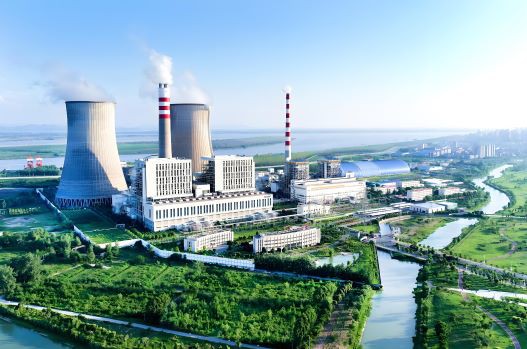
Core Working Principle of Heat Exchangers (Detailed Breakdown)
1. Fundamental Law of Heat Transfer: Criterion for Spontaneous Heat Transfer
The operation of a heat exchanger strictly follows the first and second laws of thermodynamics, which are the fundamental theoretical basis for the operation of the equipment.Heat has the physical property of spontaneously flowing from a high-temperature object to a low-temperature object, and this transfer process continues until the temperatures of the two fluid media reach dynamic equilibrium and the temperature difference approaches zero.In actual industrial operations, in order to improve heat exchange efficiency and meet operating conditions, external forces (such as pumps driving fluid flow and optimizing heat exchange structures) are usually used to accelerate heat transfer.It breaks the natural equilibrium state to achieve continuous, efficient, and directional heat exchange, meeting the continuous operation needs of industrial production.
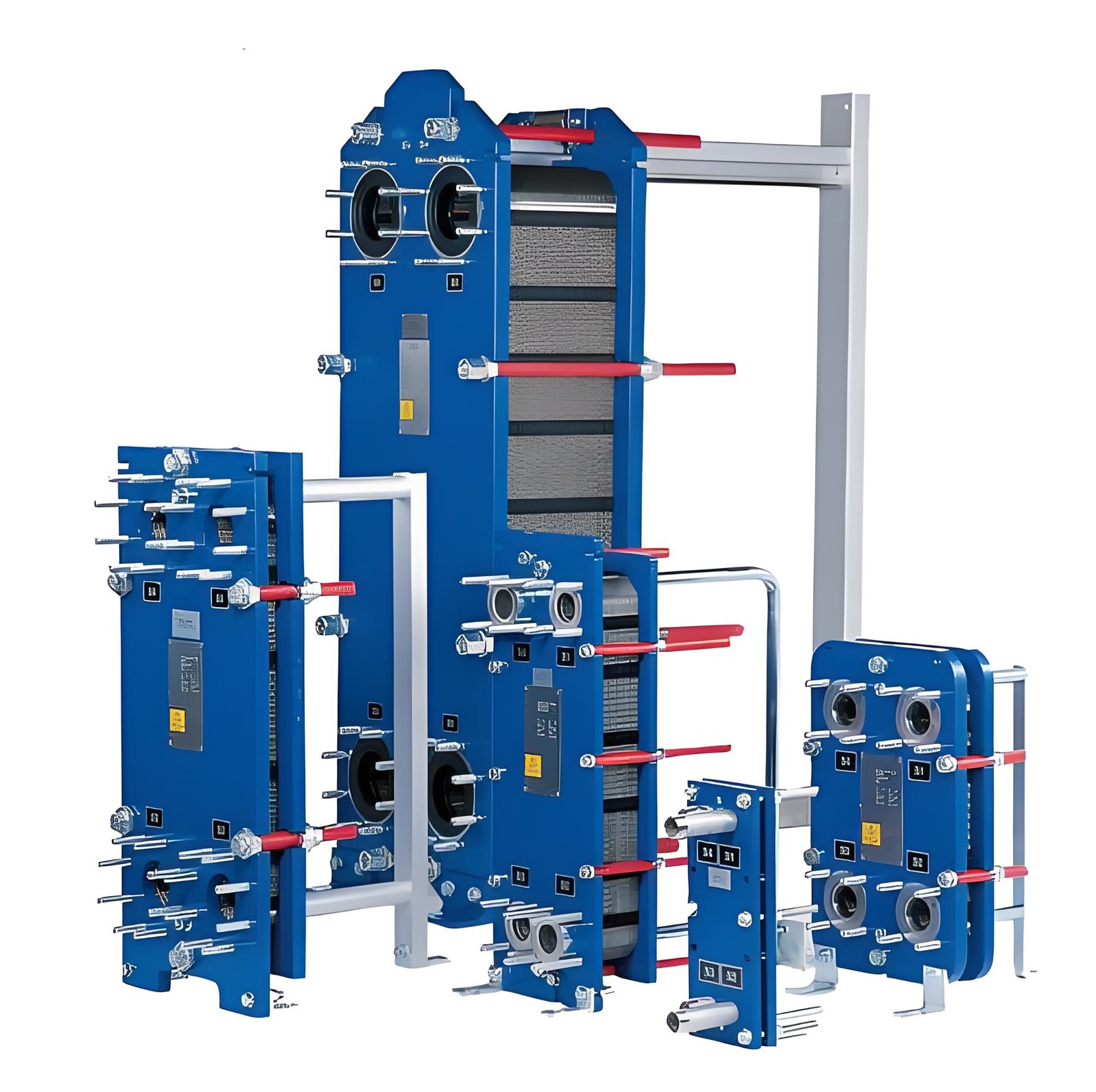
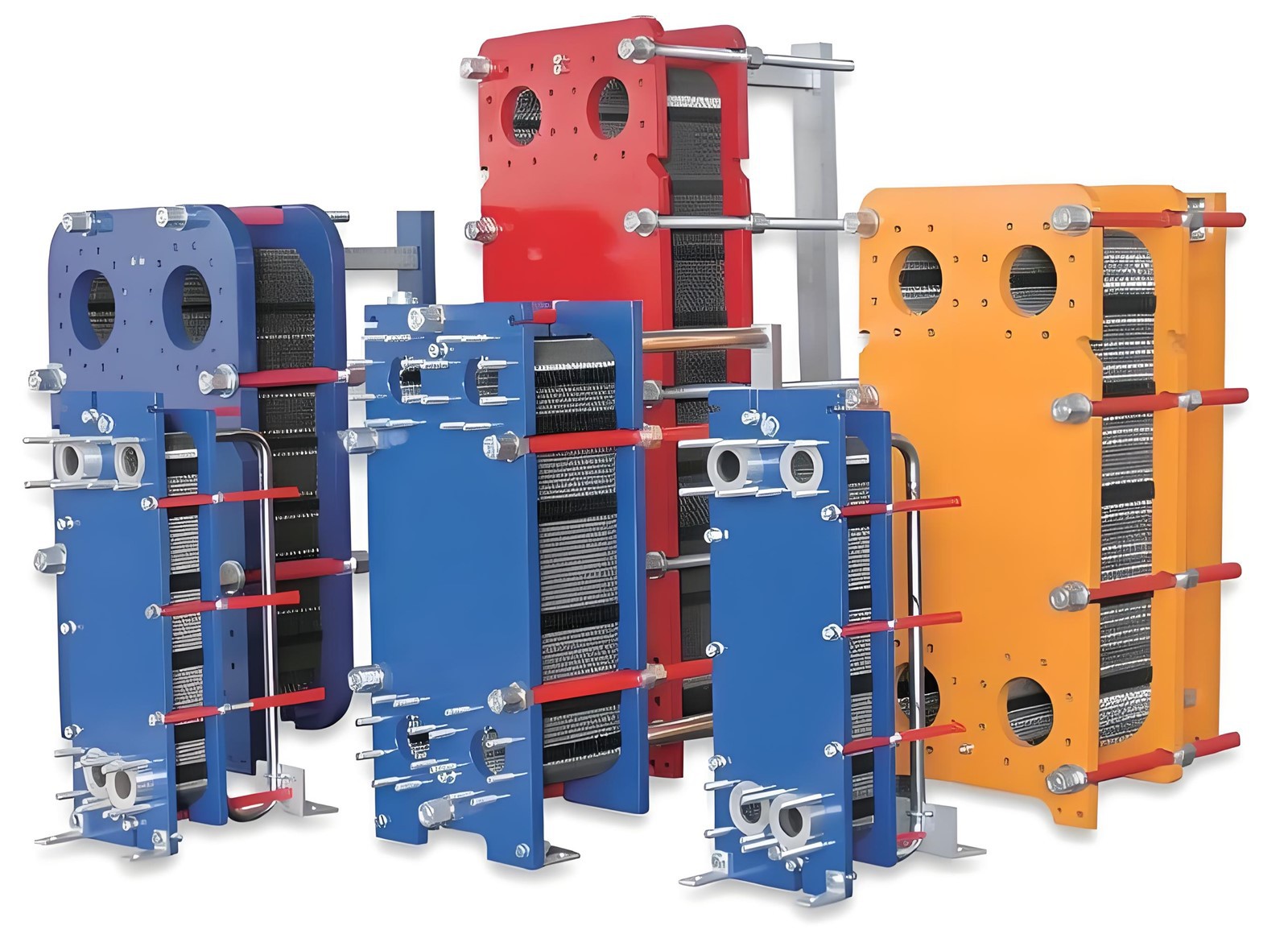
2. Three core heat transfer methods (working synergistically throughout the process)
Heat transfer within a heat exchanger is not a single process, but rather a combination of conduction, convection, and radiation. The proportion of each process varies depending on the operating conditions, working together to achieve efficient heat exchange. The specific principle is as follows:
(1) Heat conduction: the core bridge for heat transfer
Heat conduction is the most fundamental and core heat transfer method in heat exchangers, and it is also the key to heat exchange between hot and cold media.The hot and cold fluids are separated by a solid wall with extremely high thermal conductivity (common materials include stainless steel, carbon steel, copper alloy, titanium alloy, and other mainstream heat exchange materials used in export).The heat from the high-temperature fluid is first transferred to the solid heat exchange wall through molecular thermal motion, then conducted from the high-temperature side of the wall to the low-temperature side, and finally transferred to the low-temperature fluid.The entire process does not require large-scale fluid flow; heat transfer is accomplished through contact between medium molecules. The thermal conductivity, thickness, and material of the heat exchange wall directly determine the basic heat transfer efficiency.
(2) Heat convection: Key to improving heat exchange efficiency
Thermal convection is divided into natural convection and forced convection, and is the core means of improving the heat exchange efficiency of industrial heat exchangers. Natural convection is the spontaneous flow of fluids due to density differences caused by temperature variations, which drives heat transfer.Forced convection uses external power equipment such as pumps and fans to drive the fluid to rush the heat exchange wall at high speed, destroying the heat transfer boundary layer at the wall, greatly reducing the heat transfer resistance, and allowing heat to be transferred from the fluid to the wall and then from the wall to the fluid on the other side more quickly.Most high-efficiency heat exchangers exported for foreign trade adopt forced convection design to meet the high-capacity and high-efficiency production needs of overseas customers.
(3) Thermal radiation: supplementary heat transfer under high-temperature conditions
Thermal radiation is a non-contact heat transfer method that does not rely on a medium or solid wall. High-temperature fluids radiate heat energy directly to the outside in the form of electromagnetic waves, which is then absorbed by low-temperature fluids to complete the heat conversion.This type of heat transfer accounts for a very small percentage under normal temperature conditions and can be ignored.However, in high-temperature heat exchange scenarios (such as high-temperature flue gas heat exchange, metallurgical support, and high-temperature chemical reactions), thermal radiation becomes an important auxiliary heat transfer method, further improving the overall heat exchange effect. This is also a heat transfer factor that high-end industrial heat exchangers need to take into account.
Core Structure Operating Principle: Isolated Continuous Heat Exchange
Most of the mainstream shell-and-tube, plate, and finned heat exchangers sold in the export market adopt an isolated structural design.The equipment is divided into two or more independent medium flow channels by components such as heat exchange tube bundles, heat exchange plates, and sealing gaskets. The hot and cold fluids flow in one direction or in opposite directions in their respective channels.The entire process involves no mixing of media and no cross-contamination. Heat is transferred directionally through the intermediate solid heat exchange wall, and with the continuous flow of fluid, uninterrupted, stable and controllable heat energy exchange is achieved.This structure ensures heat exchange efficiency and is adaptable to various special fluid media, such as corrosive, flammable, explosive, and clean fluids, meeting the operating conditions of different industries overseas.
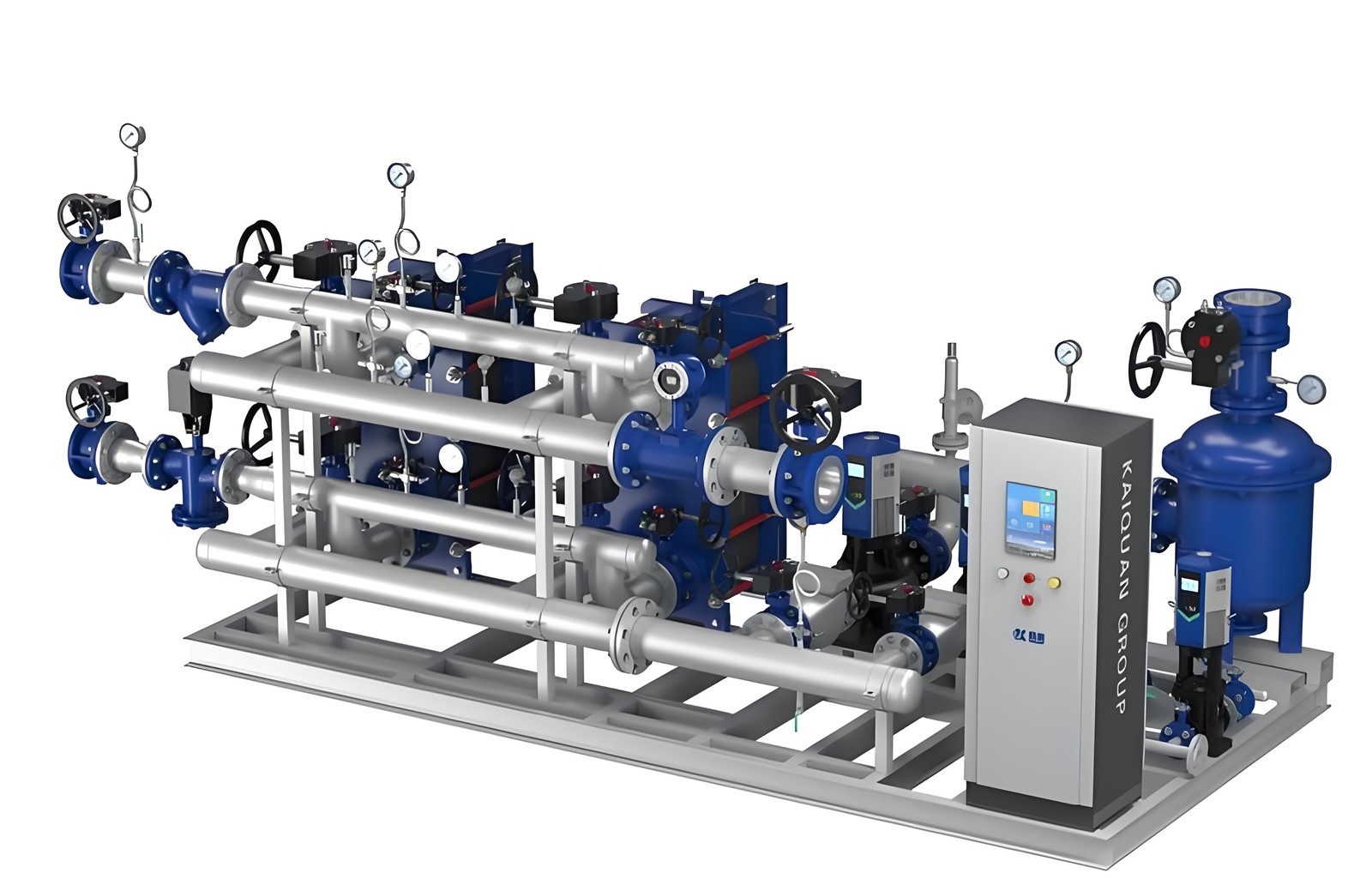
Extending the Core Advantages of Heat Exchanger Principles
01
Extremely strong media compatibility
Based on the principle of isolated heat transfer, the equipment can be adapted to various fluids such as oil, water, steam, chemical solutions, refrigerants, and flue gas.Whether it is a clean medium or a corrosive, scale-prone, flammable, or explosive medium, it can achieve safe heat exchange, eliminate cross-contamination of media, and meet the high-end overseas industry standards of chemical, food, pharmaceutical, and refrigeration industries.
02
Significant energy-saving and consumption-reducing benefits.
Based on an optimized design using three heat transfer methods, the heat exchanger can efficiently recover waste heat from industrial production, heat low-temperature fluids and cool high-temperature fluids, reducing additional energy consumption.
03
Stable operation and wide adaptability
The entire heat transfer process is controllable. By adjusting the fluid velocity, flow rate, and inlet/outlet temperature difference, it can be flexibly adapted to the heat exchange requirements of different operating conditions.It can perform multiple functions such as heating, cooling, condensation, and evaporation, and is suitable for various industrial scenarios and climate environments overseas. The equipment is stable in operation, has a low failure rate, and is easy to maintain.
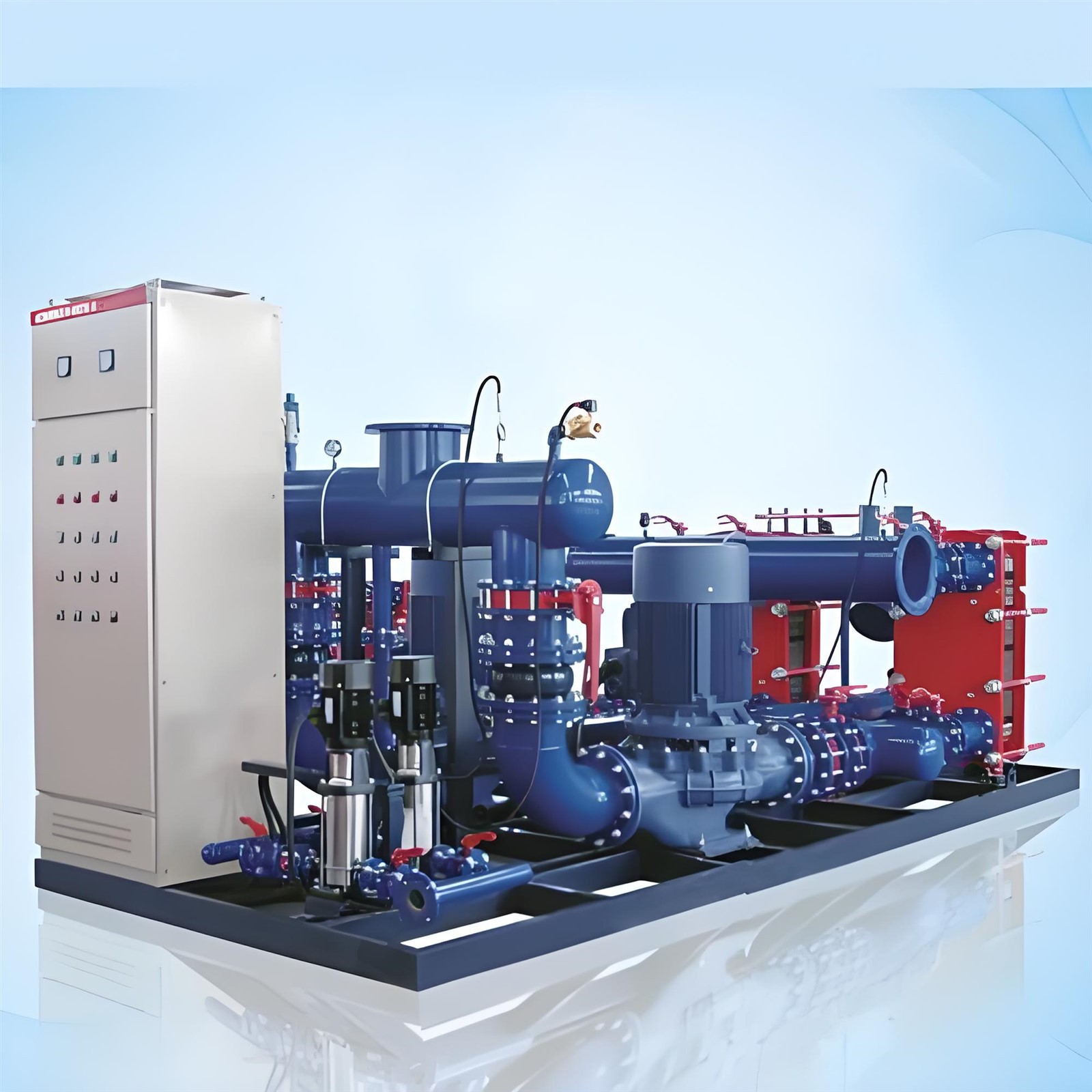
Summary of Principles
Heat exchangers rely on the natural law of heat transfer from high to low temperatures, using solid heat exchange walls to build heat transfer bridges, and combining this with fluid convection to enhance the heat transfer effect.Without mixing hot and cold media, it can efficiently transfer heat energy, ultimately achieving temperature control, waste heat recovery, and energy recycling in industrial production. It is an indispensable core energy-saving device in the global industrial system.

If you want to know more about heat exchanger units or are interested in purchasing, please send an email to 9988xiaoshuai@gmail.com, we will reply you in time after seeing the message!
Professional team
Our company is equipped with a high-quality after-sales service team with technical personnel as the core, and will provide timely feedback upon receiving service information notifications from users.
7x24 hours delivery
Our company provides free technical support for the products we sell and organizes technical training for relevant personnel.