1. Heat Transfer Plates

1.1 Spare plates for quick replacement
Heat transfer plates are the core components responsible for heat exchange in a plate heat exchanger. During operation, plates may be affected by corrosion, mechanical wear, or fouling, which can reduce heat transfer performance. Keeping spare plates available allows damaged plates to be replaced quickly and helps avoid long equipment shutdowns.
1.2 Select plate materials according to the operating medium
Different applications require different plate materials. For example, stainless steel 304 or 316 is commonly used for general industrial applications, while titanium plates are suitable for seawater or highly corrosive environments. Spare plates should have the same material, model, and plate pattern as the original equipment.
1.3 Determine the spare quantity based on operating requirements
For critical systems that require continuous operation, a certain number of spare plates is usually recommended. For general applications, a smaller quantity may be sufficient, while important production lines may require more spare parts to improve reliability.
2. Gaskets
2.1 Gaskets are the main consumable parts
Gaskets are important sealing components in plate heat exchangers. Long-term exposure to high temperatures, pressure changes, and chemical fluids may cause gaskets to age, harden, or lose elasticity. Regular gasket replacement is essential for maintaining reliable sealing performance.
2.2 Choose gasket materials according to the medium
Common gasket materials include EPDM, NBR, and FKM. Different materials are suitable for different operating conditions. For example, EPDM is widely used in water applications, while NBR is commonly used for oil-based fluids.
2.3 Purchase complete sets of spare gaskets
When purchasing a plate heat exchanger, it is recommended to prepare one or more sets of spare gaskets according to the number of plates. This allows maintenance teams to replace worn gaskets directly during inspection or cleaning.
3. Clamping Bolts and Fasteners
3.1 Prevent maintenance delays caused by damaged fasteners
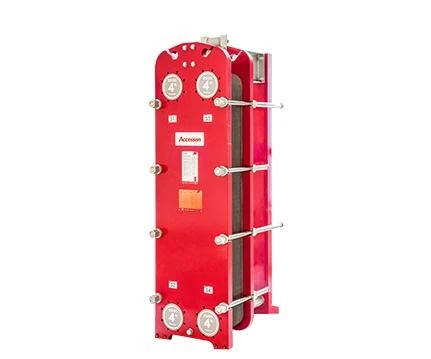
Clamping bolts maintain the required compression force between plates to ensure proper sealing. During long-term operation, bolts may experience corrosion, thread damage, or deformation. Spare fasteners can simplify equipment maintenance and disassembly.
3.2 Select suitable materials for corrosive environments
In humid or corrosive environments, bolts may be affected by corrosion. Stainless steel bolts or specially treated fasteners can be selected according to the installation environment and operating conditions.
3.3 Keep spare fasteners with the correct specifications
Different plate heat exchanger models require different bolt sizes and specifications. Spare fasteners should be purchased according to the equipment model to ensure proper installation during maintenance.
4. Sealing Rings and Connection Accessories
4.1 Spare sealing components help prevent leakage
The inlet and outlet connections of a plate heat exchanger usually contain sealing components. Over time, these seals may deteriorate and increase the risk of leakage. Keeping spare sealing rings allows problems to be solved quickly during maintenance.
4.2 Select accessories according to the connection type
Plate heat exchangers may use different connection methods, such as flanged connections, threaded connections, or customized connections. Spare accessories should match the connection size and standard of the original equipment.
4.3 Useful for maintenance and system modifications
When equipment is relocated, upgraded, or connected to a new pipeline system, spare connection accessories can reduce waiting time for new purchases. Preparing these parts in advance improves maintenance efficiency.
5. Cleaning and Maintenance Accessories
5.1 Cleaning tools help maintain heat transfer efficiency
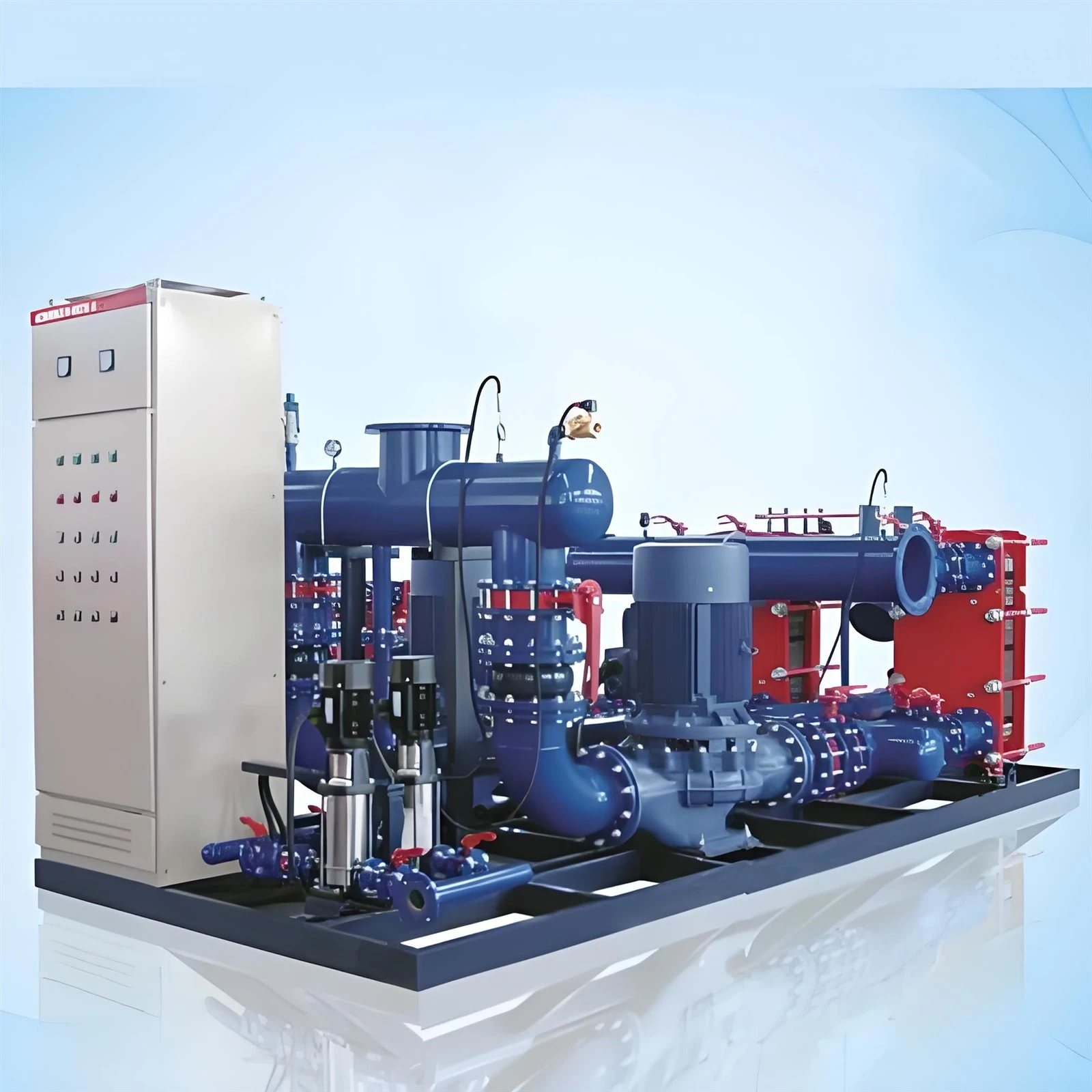
During operation, plate surfaces may accumulate scale, dirt, or deposits, which can reduce heat transfer efficiency. Proper cleaning tools help maintain equipment performance and reduce energy consumption.
5.2 CIP cleaning system components
For industries such as food processing, pharmaceuticals, and chemicals, Clean-in-Place (CIP) systems are commonly used for maintenance. Related valves, pipeline connectors, and cleaning accessories can be prepared according to system requirements.
5.3 Inspection and monitoring tools
Regular inspection of tightening dimensions, pressure changes, and heat transfer performance helps evaluate equipment condition. Basic monitoring tools can help operators identify potential problems at an early stage.
6. Special Spare Parts According to Operating Conditions
6.1 Spare components for highly corrosive fluids
When handling corrosive media such as acids, alkalis, or saltwater, the corrosion resistance of plates and gaskets is especially important. Special materials or corrosion-resistant sealing components may be required.
6.2 Spare parts for high-temperature and high-pressure systems
High-temperature and high-pressure applications require higher sealing reliability. Spare gaskets, fasteners, and other components should meet the required pressure and temperature ratings to prevent unexpected shutdowns.
6.3 Increase spare inventory for critical applications
If plate heat exchangers are used in industries such as power generation, chemical processing, or pharmaceuticals, a higher level of spare parts inventory is recommended. Proper spare parts management can reduce maintenance time and improve system stability.
If you want to know more about heat exchanger units or are interested in purchasing, please send an email to 9988xiaoshuai@gmail.com, we will reply you in time after seeing the message!
Professional team
Our company is equipped with a high-quality after-sales service team with technical personnel as the core, and will provide timely feedback upon receiving service information notifications from users.
7x24 hours delivery
Our company provides free technical support for the products we sell and organizes technical training for relevant personne