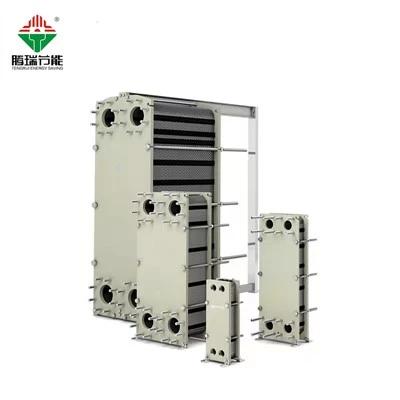
I. Basic Working Principle of Plate Heat Exchangers
1. Heat is transferred through a thin metal plate.
1.Plate heat exchangers primarily rely on metal heat exchange plates with good thermal conductivity to achieve heat exchange.
2.Heat in the hot fluid is transferred to the cold fluid through the heat exchange plates, without the two fluids coming into direct contact.
2. Two fluids flow in adjacent channels.
1.Hot and cold fluids enter separate flow channels.
•2.Adjacent flow channels are separated by heat exchange plates, thus achieving indirect heat exchange.
standardized production
Efficient and precise processing and testing equipment.
High-Quality Customized Services
Efficient and precise processing and testing equipment.
order management
We strongly support best practice sharing across our operations around the world
Responsibility
Efficient and precise processing and testing equipment.
1. What Is the Basic Principle of Steam Condensation in a Shell and Tube Heat Exchanger?
1.1 Basic Steam Condensation Process
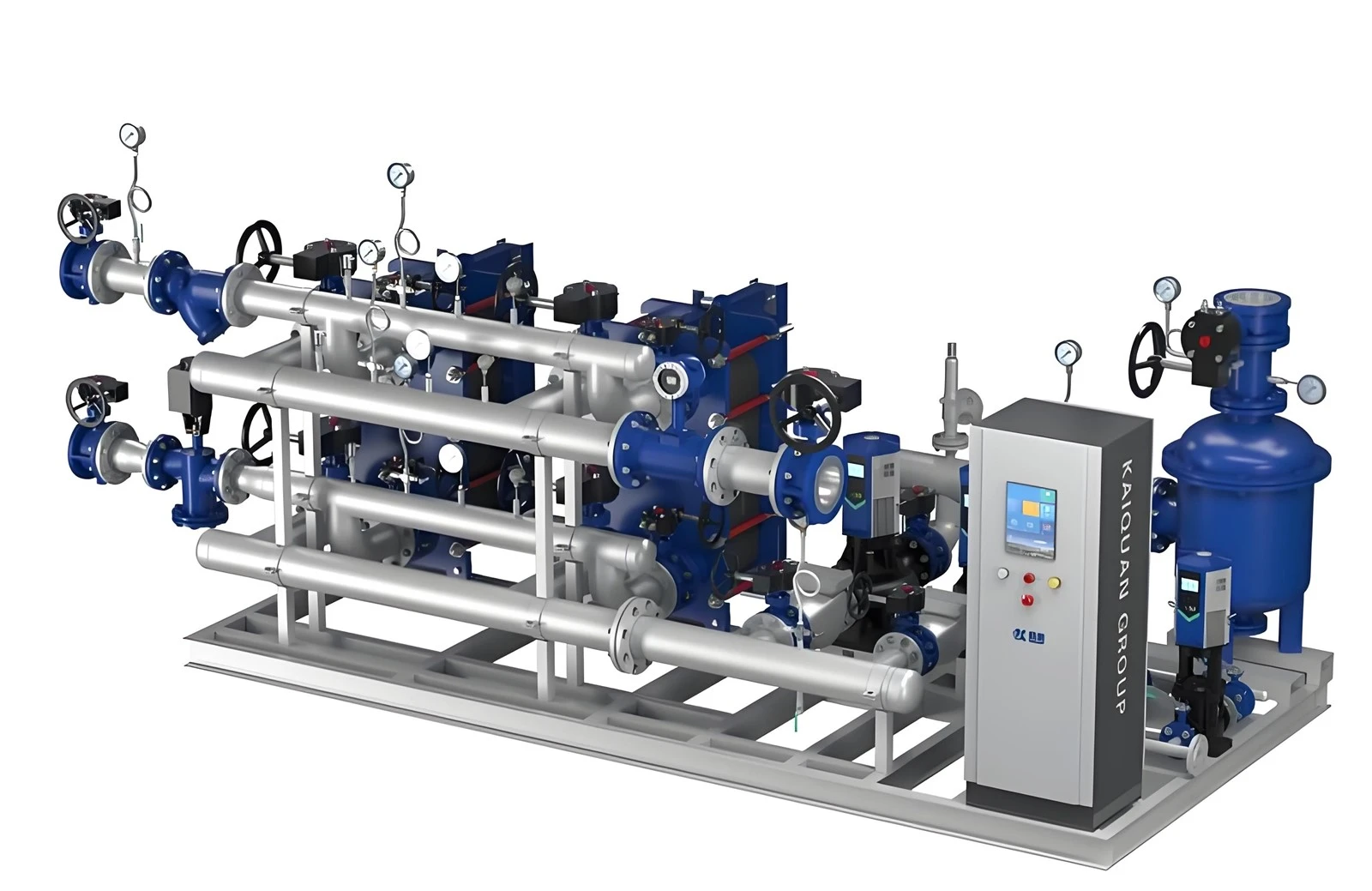
Steam condensation refers to the process in which steam releases latent heat and changes from a gaseous state into a liquid state. A shell and tube heat exchanger transfers heat from the steam to another medium, such as cooling water, through the heat transfer tube walls. As heat is continuously released, the steam gradually condenses into liquid water, allowing heat recovery or process cooling.
1.2 Structural Characteristics of Shell and Tube Heat Exchangers
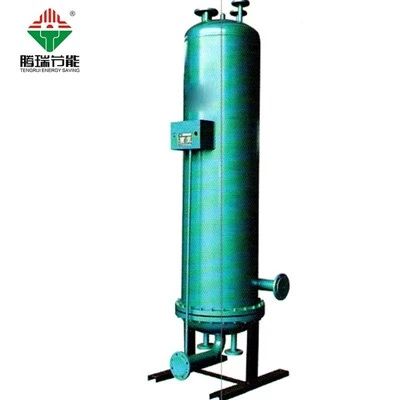
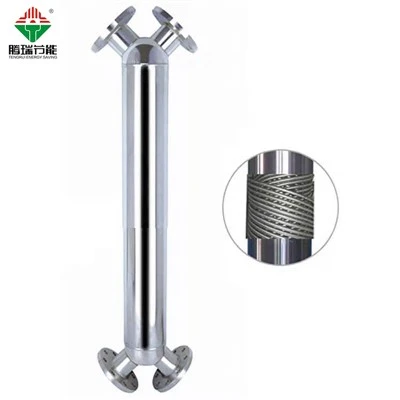
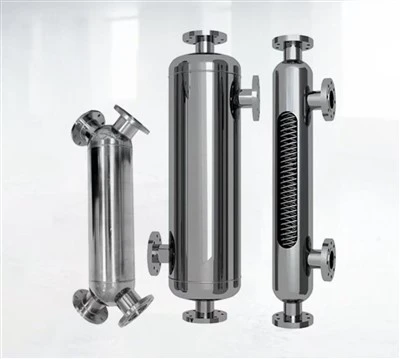
A shell and tube heat exchanger mainly consists of a shell, tube bundle, tube sheets, baffles, and channel heads. Steam and the cooling medium flow separately through the shell side and tube side, exchanging heat through the metal tube walls. Its robust construction and relatively high pressure resistance make it suitable for steam condensation applications involving elevated temperatures and pressures.
1.3 Heat Transfer Characteristics of Steam Condensation
During steam condensation, most of the released heat comes from latent heat rather than simply from a decrease in temperature. Therefore, the design of a steam condensation system must consider steam condensation temperature, operating pressure, and latent heat. Proper heat transfer area selection helps ensure complete steam condensation and meets the required condensate outlet temperature.
1.4 Heat Exchange Between Steam and Cooling Media
In common condensation applications, steam can flow through the shell side while cooling water flows through the tube side. However, other flow arrangements may be adopted depending on process requirements. The two fluids exchange heat indirectly through the tube walls without coming into direct contact. The final arrangement should consider steam pressure, flow rate, condensate drainage, and maintenance requirements.
2. What Are the Main Applications of Shell and Tube Heat Exchangers in Steam Condensation?
2.1 Industrial Steam Condensation
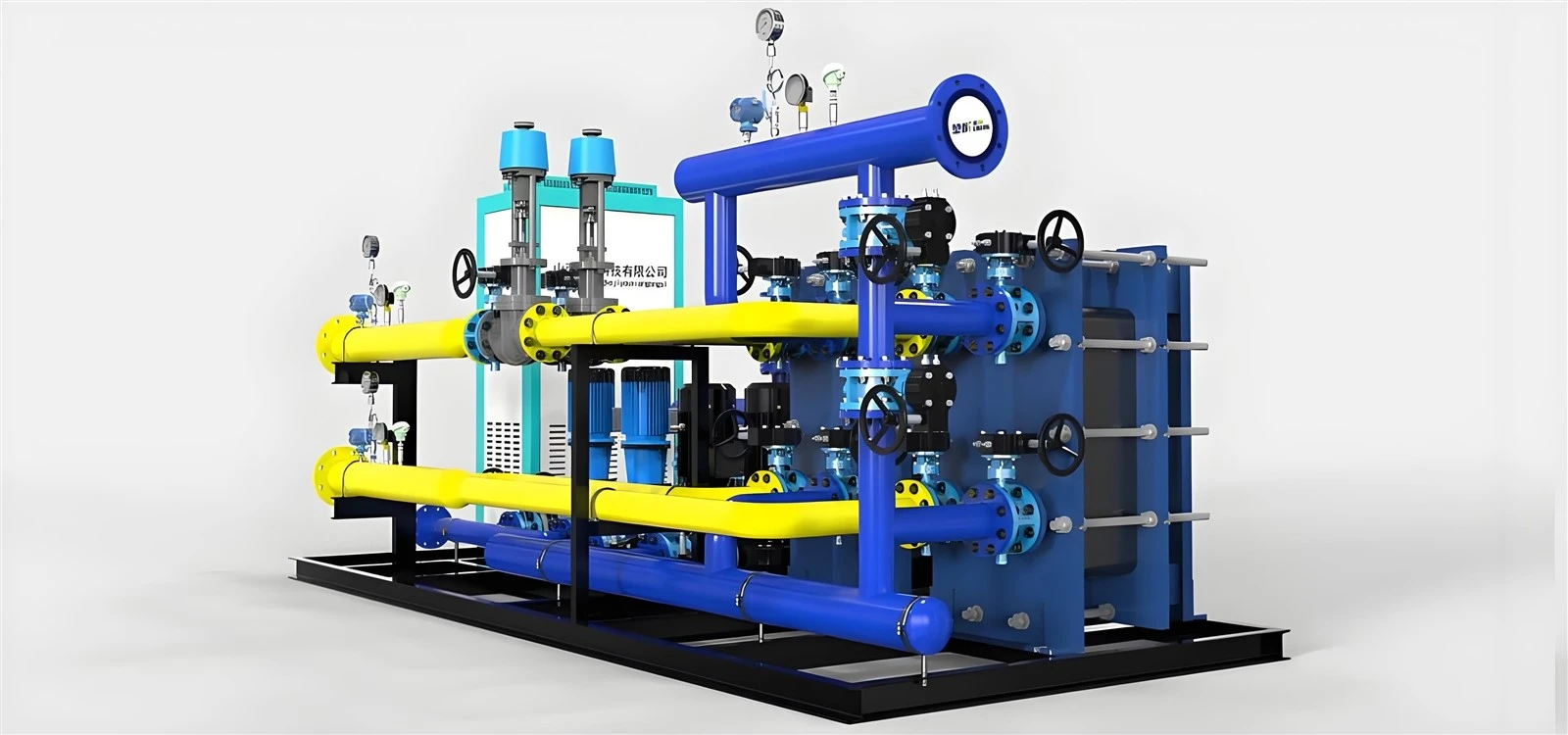
In industries such as chemical processing, pharmaceuticals, and manufacturing, steam is widely used for material heating and process applications. After completing its heating function, steam can be condensed into water in a shell and tube heat exchanger while transferring its released heat to another process medium. This approach helps reduce energy waste and improve industrial energy efficiency.
01
2.2 Steam Condensation in the Power Industry
In the power industry, shell and tube heat exchangers can be used in auxiliary steam condensation and related heat exchange systems. For major systems such as steam turbine exhaust condensation, specialized surface condensers are generally used, as their structures and design requirements differ from those of conventional shell and tube heat exchangers. Recovering steam heat helps improve the overall thermal efficiency of power generation systems.
02
2.3 HVAC Heating and Hot Water Systems
In heating and hot water systems, steam can serve as a heat source and transfer its heat to circulating water through a shell and tube heat exchanger. During this process, the steam releases latent heat and condenses, while the circulating water absorbs heat and reaches the required supply temperature. This indirect heat transfer method effectively separates the steam system from the hot water system.
03
2.4 Food and Beverage Processing
In food and beverage production, steam is commonly used for heating, sterilization, and cleaning processes. Shell and tube heat exchangers can be applied in related steam condensation and heat recovery systems to reuse the released heat for preheating process water or other fluids. For applications involving food hygiene requirements, suitable materials and equipment structures must be selected according to the operating conditions.
04
3. How Should Steam Be Arranged in a Shell and Tube Heat Exchanger?
3.1 Steam Flowing Through the Shell Side
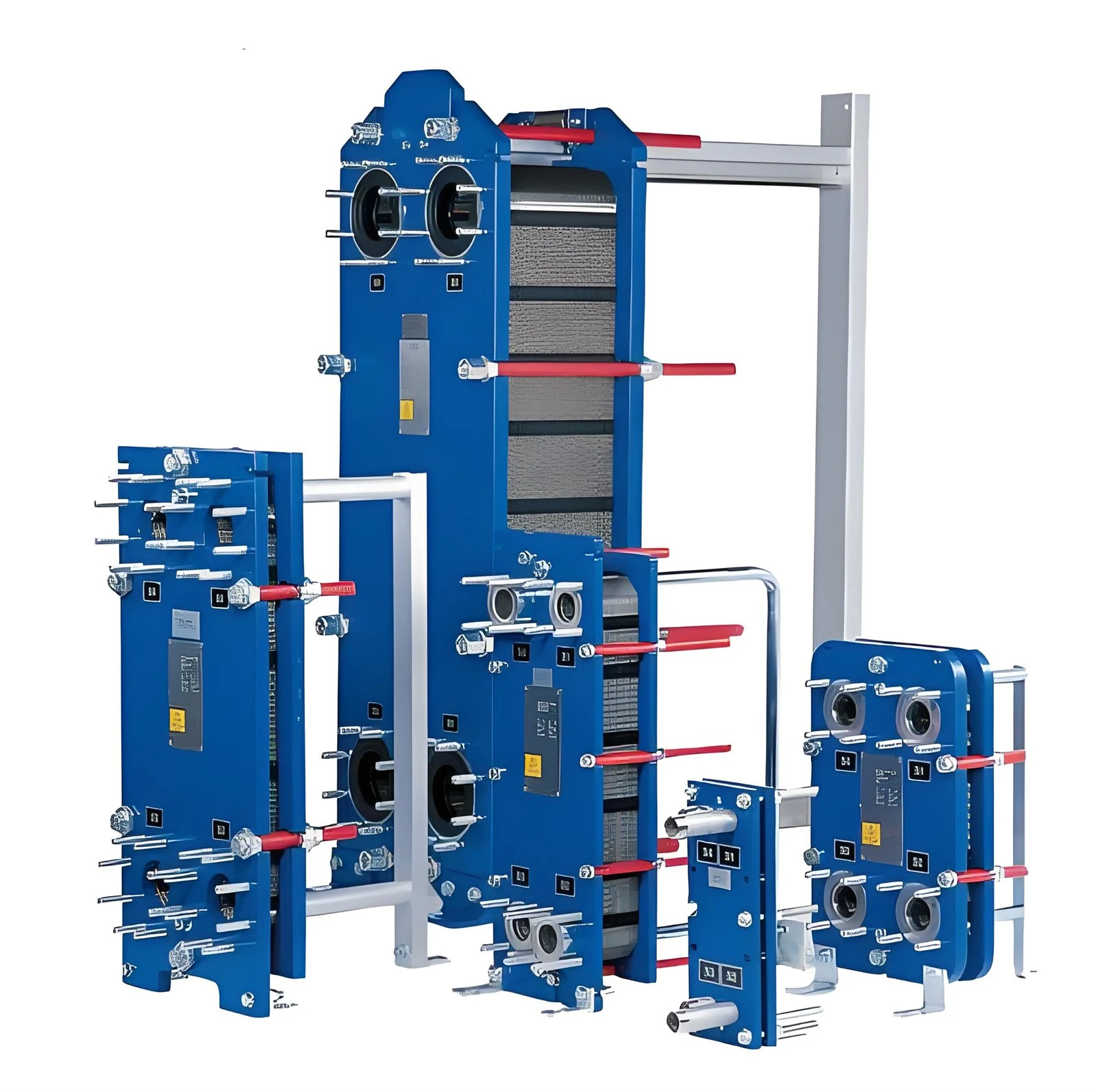
In many steam condensation applications, steam is arranged on the shell side while cooling water flows through the tube side. The shell-side space facilitates steam distribution and condensate collection, while the tube side allows cooling water to flow at an appropriate velocity to achieve effective heat transfer. However, the actual arrangement should be determined according to operating conditions, pressure requirements, and condensate drainage considerations.
3.2 Steam Flowing Through the Tube Side
In certain applications, steam can also be arranged on the tube side for condensation. This configuration requires careful consideration of condensate flow, drainage capacity, and pressure drop inside the tubes. For operating conditions where liquid accumulation may occur, the tube arrangement, flow passages, and outlet positions should be properly designed to prevent condensate buildup from affecting heat transfer performance.
3.3 Flow Direction of the Cooling Medium
Cooling water can be arranged in counter-current flow or other configurations suitable for the process requirements. Counter-current flow helps maintain a temperature difference between the hot and cold fluids over a wider heat transfer range, which can improve the average temperature difference. During actual design, cooling water flow rate, inlet temperature, and allowable pressure drop must also be considered.
3.4 Condensate Drainage Design
The liquid formed during steam condensation must be discharged promptly to prevent accumulation inside the heat exchanger. Poor condensate drainage may reduce the effective heat transfer area and interfere with normal steam flow. For systems requiring continuous operation, suitable condensate outlets and steam traps should be installed according to the operating conditions.
4. What Factors Affect Steam Condensation Efficiency in Shell and Tube Heat Exchangers?
4.1 Steam Pressure and Condensation Temperature
Steam pressure directly affects its saturation temperature and the thermodynamic conditions of condensation. During saturated steam condensation, pressure changes can cause variations in condensation temperature, thereby affecting the temperature difference between the hot and cold fluids. Unstable steam pressure may lead to fluctuations in heat transfer capacity and condensation performance.
01
4.2 Cooling Medium Flow Rate
The flow rate of the cooling medium directly affects the heat absorption capacity of the heat exchanger. When the cooling water flow rate is insufficient, its outlet temperature may increase, reducing the heat removal capacity available for steam condensation. Proper control of the cooling medium flow rate helps maintain stable heat transfer performance and condensation conditions.
02
4.3 Fouling on Heat Transfer Surfaces
During long-term operation, minerals and impurities in cooling water may form scale or deposits on the inner surfaces of the heat transfer tubes. These deposits increase thermal resistance and reduce the overall heat transfer coefficient. Regular tube cleaning helps restore heat transfer performance and reduce energy consumption.
03
4.4 Effects of Non-Condensable Gases
If steam contains air or other non-condensable gases, a gas layer may form near the heat transfer surface, preventing direct contact between the condensing steam and the tube wall. Non-condensable gases can also reduce local heat transfer efficiency and cause abnormal condensation pressure. Therefore, properly designed venting systems are important for maintaining stable condensation performance.
04
5. How to Select a Suitable Shell and Tube Heat Exchanger for Steam Condensation?
5.1 Determine Steam Flow Rate and Heat Duty
Before selecting the equipment, it is necessary to determine the steam mass flow rate, operating pressure, inlet condition, and required condensation performance. The required heat duty can be initially calculated based on the latent heat of steam and any additional sensible heat associated with superheated steam. Accurate process parameters are essential for determining the appropriate equipment specifications and heat transfer area.
5.2 Determine Cooling Medium Parameters
The type of cooling medium, inlet temperature, target outlet temperature, and design flow rate must be clearly defined. Different cooling media have different specific heat capacities, thermal properties, and flow resistances, which affect the heat transfer capacity of the equipment. These parameters help determine the appropriate flow arrangement and heat transfer area.
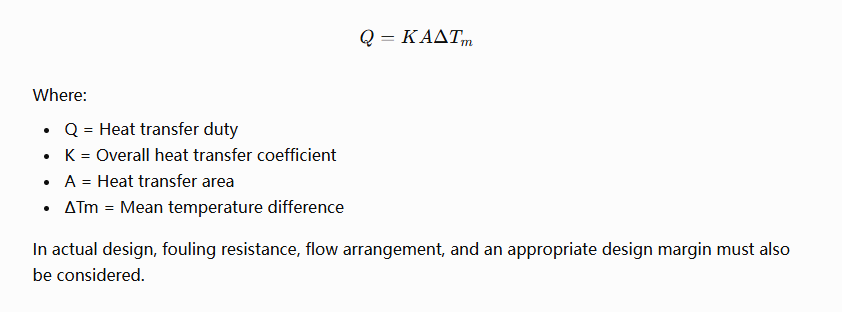
5.3 Select the Appropriate Heat Transfer Area
The heat transfer area is an important parameter determining the thermal capacity of the equipment. It is generally calculated based on the heat duty, overall heat transfer coefficient, and mean temperature difference. The commonly used basic heat transfer equation is:
5.4 Consider Design Pressure and Design Temperature
The design pressure and temperature of a shell and tube heat exchanger must be determined according to the operating conditions on both the steam side and the cooling medium side. The shell, heat transfer tubes, tube sheets, and connecting components must all meet the corresponding strength requirements. For systems involving pressure fluctuations or temperature variations, thermal stress and operational safety should also be considered.
6. What Common Problems Occur During Steam Condensation?
6.1 Incomplete Steam Condensation
When the heat transfer area is insufficient, the cooling medium flow rate is too low, or the steam load exceeds the design capacity, steam may not condense completely. As a result, uncondensed steam may remain in the outlet flow, affecting downstream processes. The actual operating parameters should be checked, and the flow rate or heat transfer conditions should be adjusted when necessary.
01
6.2 Condensate Accumulation
If the condensate outlet becomes blocked or the steam trap malfunctions, condensate may accumulate inside the heat exchanger. The accumulated liquid occupies part of the available heat transfer space and reduces effective heat transfer. In severe cases, water hammer may occur, potentially damaging the equipment and connected pipelines.
02
6.3 Corrosion and Leakage of Heat Transfer Tubes
If the steam or cooling medium is corrosive, long-term operation may cause tube wall thinning, perforation, or leakage. Once tube damage occurs, the two fluids may mix, potentially affecting product quality and system safety. Suitable tube materials should be selected according to the fluid composition, and regular corrosion inspections and leakage tests should be carried out.
03
6.4 Excessive Pressure Drop
Scale buildup inside the tubes, blocked flow passages, or improper flow velocity design may increase fluid resistance. Excessive pressure drop increases the operating load on pumps and other fluid transfer equipment and may affect system stability. Flow velocity and passage dimensions should be properly designed, and accumulated deposits should be removed promptly during operation.
04
7. How to Maintain Shell and Tube Heat Exchangers Used for Steam Condensation?
7.1 Regular Inspection of Heat Transfer Tubes
Heat transfer tubes should be inspected regularly for fouling, corrosion, and mechanical damage. For equipment that has been operating for an extended period, inspection methods such as internal tube inspection, wall thickness measurement, or other non-destructive testing techniques can be used when necessary. Identifying abnormal tube conditions early helps prevent leakage and unplanned shutdowns.
7.2 Cleaning Internal Fouling
A reasonable cleaning schedule should be established based on cooling water quality and actual operating conditions. Mechanical cleaning or suitable chemical cleaning methods can be used to remove scale and deposits from the inside of the tubes. Cleaning agents must be compatible with the tube materials to prevent corrosion or damage to other components.
7.3 Inspecting Steam Traps and Venting Systems
Steam traps must operate properly to ensure that condensate is discharged promptly. Venting systems should effectively remove air and other non-condensable gases from the equipment. If the condensate drainage or venting system malfunctions, it should be inspected and repaired promptly to prevent a decline in condensation efficiency.
7.4 Monitoring Operating Parameters
During daily operation, steam pressure, cooling water inlet and outlet temperatures, flow rates, and equipment pressure drops should be recorded regularly. Comparing these values with historical operating data helps identify changes in heat transfer performance. When abnormal temperatures, pressure fluctuations, or reduced flow rates occur, the underlying causes should be investigated promptly.
8. What Are the Advantages of Using Shell and Tube Heat Exchangers for Steam Condensation?
8.1 High Pressure Resistance
Shell and tube heat exchangers feature a robust shell and tube bundle structure and can be designed for relatively high-pressure steam systems. Their mature structural design provides good mechanical strength and operational reliability. They are particularly suitable for industrial steam condensation applications involving high temperatures and pressures, provided the equipment is properly designed.
01
8.2 Wide Operating Temperature Range
Shell and tube heat exchangers can be manufactured using different materials and structural configurations to meet various process requirements. They can be designed for ordinary industrial steam as well as steam condensation applications involving higher operating temperatures. Their adaptability makes them widely applicable across different industrial sectors.
02
8.3 Relatively Convenient Maintenance and Inspection
Some shell and tube heat exchangers feature removable tube bundles or structures that allow convenient internal inspection and maintenance. The heat transfer tubes can be cleaned mechanically or using other suitable methods, helping reduce the impact of fouling during long-term operation. The actual maintenance convenience depends on the equipment design and available installation space.
03
8.4 Effective Heat Recovery and Energy Utilization
Steam releases a considerable amount of latent heat during condensation. Directly discharging this heat without recovery may result in significant energy waste. By using a shell and tube heat exchanger, the recovered heat can be used to preheat process water, circulating water, or other fluids. Proper heat recovery helps reduce system energy consumption and improve overall industrial energy efficiency.
04
If you want to know more about heat exchanger units or are interested in purchasing, please send an email to 9988xiaoshuai@gmail.com, we will reply you in time after seeing the message!
Professional team
Our company is equipped with a high-quality after-sales service team with technical personnel as the core, and will provide timely feedback upon receiving service information notifications from users.
7x24 hours delivery
Our company provides free technical support for the products we sell and organizes technical training for relevant personnel.