


1. Medium properties (fluid characteristics)
• When selecting a heat exchanger, it is essential to first identify the types and physicochemical properties of the hot and cold fluids.
01
• The corrosiveness of the medium must be considered to determine whether stainless steel, titanium, or other corrosion-resistant alloys are necessary.
02
• The presence of particles or fouling substances in the medium must be assessed to prevent blockage of heat exchange channels or reduced efficiency.
03
• The presence of particles or fouling substances in the medium must be assessed to prevent blockage of heat exchange channels or reduced efficiency.
The viscosity, density, and specific heat capacity of the medium must be considered, as they affect heat transfer performance and flow resistance design.
04
2. Thermal parameters required (heat exchange load)
• The required heat exchange capacity must be clearly defined during the selection process to ensure the system meets process requirements.
• Inlet and outlet temperature conditions need to be determined to calculate a reasonable temperature difference driving force.
• The allowable temperature drop or rise range needs to be evaluated to ensure process stability.
• Whether a design margin or multi-condition adaptability is needed needs to be determined based on changes in heat load.
3. Pressure and Temperature Conditions
Industry Solutions
Choose the plan that suits you best.
The system's operating pressure range needs to be clearly defined to ensure the heat exchanger's structural strength meets safety requirements and to avoid the risk of equipment deformation or leakage due to overpressure operation.
01
The maximum and minimum operating temperatures need to be identified to select appropriate sealing materials and structural forms, ensuring stable operation of the equipment under extreme temperature conditions.
02
Pressure fluctuations or shock conditions need to be considered to prevent fatigue damage or connection failure under frequently changing loads.
03
Appropriate design standards and safety factors need to be selected based on the operating conditions to ensure sufficient safety margins and reliability of the equipment during long-term operation.
04
4. Scaling and Cleaning Maintenance Requirements
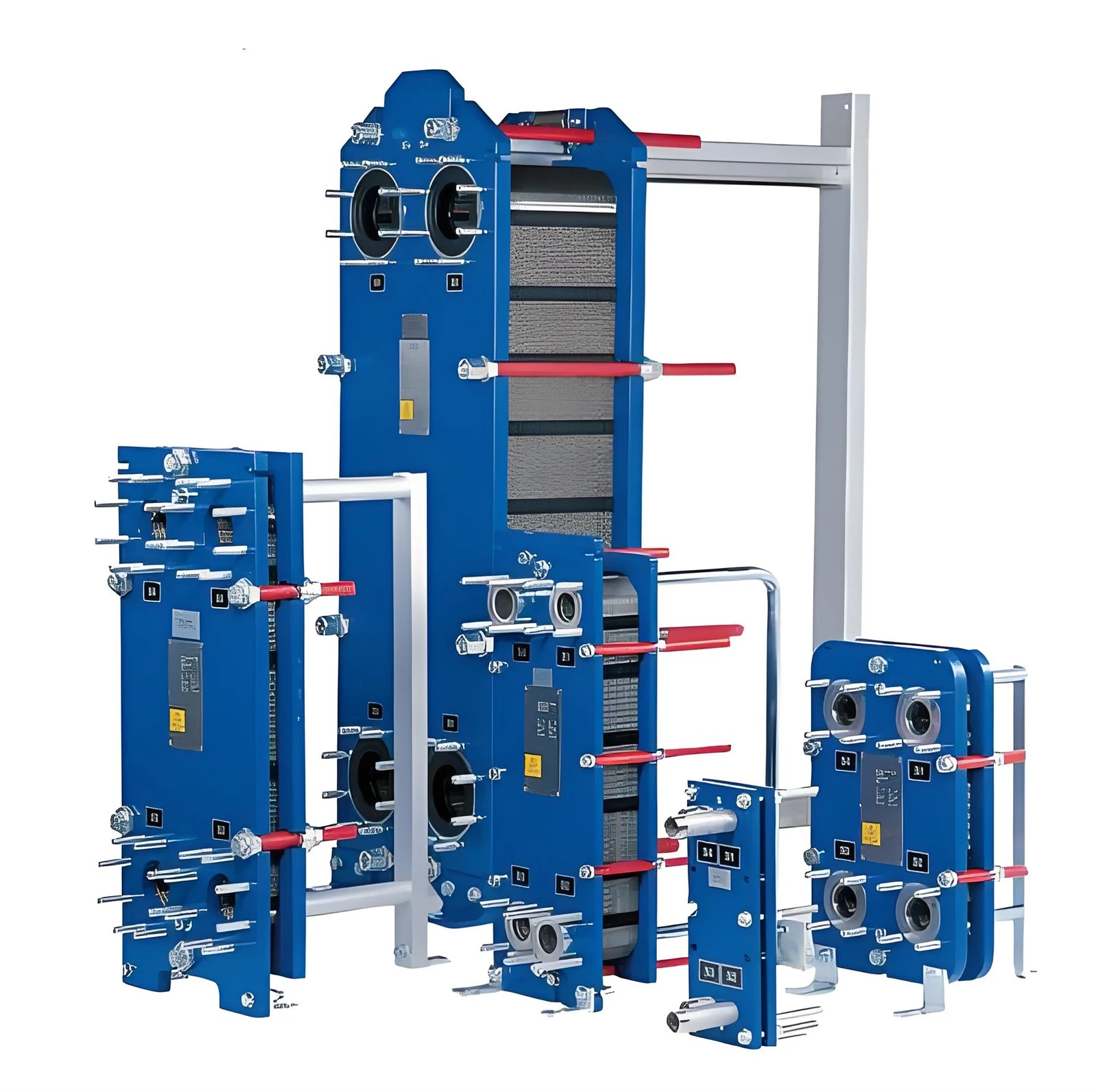
• It is necessary to assess whether the medium is prone to scaling to determine whether a removable structure or enhanced turbulence design should be adopted.
• Cleaning methods need to be considered, such as online cleaning or offline disassembly and cleaning, to match different equipment structures.
• Maintenance frequency needs to be assessed to reduce downtime and operating costs.
• A structural form that facilitates maintenance and component replacement needs to be selected to improve long-term operational reliability.
Products Description
A comprehensive consideration of equipment investment costs and long-term operating energy consumption is necessary to achieve overall economic optimization. This involves avoiding solely pursuing low costs at the expense of heat exchange efficiency or increased operating expenses. The appropriate equipment selection should be based on production scale to improve return on investment.
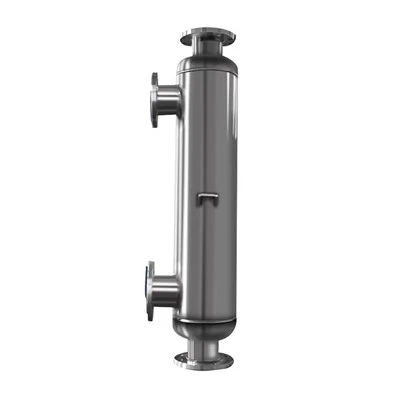
The available installation space needs to be assessed to determine the appropriate plate, shell-and-tube, or compact structure. The equipment layout must be reasonable, facilitating inspection and maintenance, and the piping routing and foundation conditions must be fully considered.
The increased energy consumption due to system pressure drop needs to be considered to optimize operating costs. Excessive pressure drop should be avoided to prevent increased pump power or system instability. Pressure drop calculations and optimization should be performed during the design phase.
Life-cycle cost analysis is crucial, going beyond the initial purchase price. A comprehensive assessment of maintenance, energy consumption, and replacement costs throughout the equipment's design life is necessary to maximize overall economic benefits.
6. Material selection and system compatibility
• When selecting a heat exchanger, the materials used must be appropriately matched to the characteristics of the medium to ensure long-term stable operation.
• It is necessary to consider whether the materials can simultaneously meet the comprehensive requirements of corrosion resistance, high temperature resistance, and high pressure resistance.
• It is necessary to assess whether there is a risk of chemical reaction or contamination between the materials and the process medium to avoid affecting product quality.
• It is necessary to consider the compatibility of the equipment with the existing piping system to reduce modification costs and construction difficulty.

7. Operation control and adaptability to operating conditions
It is necessary to consider whether the heat exchanger can adapt to load fluctuations to meet the needs of unstable operating conditions in actual production, while avoiding a decrease in heat exchange efficiency or disruption of system thermal balance due to frequent load changes, thus affecting the overall process stability.
It is necessary to consider whether the heat exchanger can adapt to load fluctuations to meet the needs of unstable operating conditions in actual production, while avoiding a decrease in heat exchange efficiency or disruption of system thermal balance due to frequent load changes, thus affecting the overall process stability.
It is necessary to consider whether it can be easily integrated into an automated control system to achieve precise temperature and flow regulation, while improving system response speed and the level of intelligent operation management, and supporting remote monitoring and parameter optimization..
It is necessary to evaluate the equipment's adaptability to changes in start-up and shutdown frequency to improve overall operational reliability and lifespan, and reduce the risks of thermal stress, seal fatigue, and structural damage caused by frequent start-ups and shutdowns, thereby extending the equipment's service life.
If you want to know more about heat exchanger units or are interested in purchasing, please send an email to 9988xiaoshuai@gmail.com, we will reply you in time after seeing the message!
Professional team
Our company is equipped with a high-quality after-sales service team with technical personnel as the core, and will provide timely feedback upon receiving service information notifications from users.
7x24 hours delivery
Our company provides free technical support for the products we sell and organizes technical training for relevant personnel.
