1. Fouling on the Plate Surface
1.1 Scale Increases Thermal Resistance
When circulating water or other fluids contain high concentrations of calcium and magnesium ions, scale may form in high-temperature areas or other locations where conditions favor precipitation. Because scale generally has lower thermal conductivity than metal plates, it increases thermal resistance and reduces the heat transfer performance of the plate heat exchanger. As the scale layer becomes thicker, the effective heat transfer capacity of the plates will decrease further.
1.2 Accumulation of Impurities and Deposits
Mud, rust, suspended particles, and other impurities in the fluid can enter the plate heat exchanger and accumulate on the plate surfaces or inside the flow channels. These deposits increase thermal resistance and may also reduce the effective flow area, resulting in higher flow resistance. If effective filtration is not installed at the system inlet, particle accumulation and channel blockage may become more serious.
1.3 Biological Fouling Affects Heat Transfer
In cooling water systems and similar applications, poor water quality management may lead to the formation of microbial deposits, slime, or biofilms on the plate surfaces. These deposits increase thermal resistance and may combine with other contaminants to form a more difficult-to-remove fouling layer. Biological fouling is more likely to accumulate in areas with suitable temperatures and relatively low flow velocities.
1.4 Continuous Fouling Affects Both Heat Transfer and Flow
As operating time increases, the fouling layer may become thicker, increasing thermal resistance and reducing heat transfer performance. At the same time, narrowed flow channels may increase the pressure drop and further affect the fluid flow rate. Severe fouling may therefore result in reduced heat transfer performance, increased pressure drop, and changes in flow rate at the same time.
2. Actual Flow Rate Is Lower Than the Design Condition
2.1 Reduced Flow Rate Affects Convective Heat Transfer
When other operating conditions remain basically unchanged, a significant reduction in the actual flow rate will reduce the fluid velocity across the plate surfaces and generally reduce the convective heat transfer coefficient. As a result, the heat exchanger may no longer achieve its designed heat transfer capacity.
2.2 Changes in Circulation Pump Performance
Reduced pump performance, impeller wear, blockage at the pump inlet, or changes in system pressure can all cause the actual flow rate to decrease. Even if the plate heat exchanger itself has no obvious physical damage, the actual heat transfer capacity of the system may still decline. Therefore, the circulation pump and actual flow rate should also be checked when troubleshooting the heat exchanger.
2.3 Increased Resistance in the Piping System
A clogged filter, insufficient valve opening, or deposits inside the piping can increase system resistance. When the system cannot provide sufficient flow, the operating performance of the heat exchanger will also be affected. For industrial systems operating for long periods, pump pressure, inlet and outlet pressure, and actual flow rate should be analyzed together.
2.4 A Reduced Flow Rate Does Not Necessarily Mean the Heat Exchanger Has Failed
If the production load decreases or the operating mode of the system changes, the flow rate may also decrease. In this situation, a reduction in actual heat transfer capacity does not necessarily indicate a fault in the heat exchanger. The actual flow rate should therefore be compared with the design conditions and historical normal operating data.
3. Changes in the Temperature Difference Between the Hot and Cold Sides
3.1 Lower Hot-Side Inlet Temperature
The heat transfer capacity of a plate heat exchanger is closely related to the effective temperature difference between the hot and cold fluids. If the hot-side inlet temperature decreases, the average temperature difference between the two fluids may become smaller, resulting in lower actual heat transfer. In this situation, the heat exchanger itself may be operating normally, while the heat source conditions have changed.
01
3.2 Higher Cold-Side Inlet Temperature
If the temperature of the cooling water increases due to ambient temperature, cooling equipment performance, or changes in system load, the effective temperature difference between the hot and cold fluids may decrease. Even when the heat exchanger is operating normally, the outlet temperature may therefore fail to reach the original design value. This should be given particular attention during periods of high ambient temperature or high cooling-system load.
02
3.3 Outlet Temperature Alone Cannot Be Used to Evaluate Performance
When evaluating the operating condition of a plate heat exchanger, the inlet and outlet temperatures and flow rates on both sides should be recorded. Looking at only one outlet temperature makes it difficult to determine whether the change is caused by the heat exchanger or by changes in system operating conditions. Complete temperature and flow data provide a more reliable basis for calculating and analyzing the actual heat transfer rate.
03
3.4 Changes in Operating Conditions May Be Mistaken for Equipment Failure
If the production load, fluid temperature, or flow rate changes significantly compared with the original design conditions, the actual heat transfer rate may also change even when the heat exchanger has no obvious problem. Therefore, the actual operating conditions should be confirmed before determining whether the equipment itself has experienced performance degradation.
04
4. Changes in Plate and Flow Channel Conditions
4.1 Plate Corrosion Can Affect Equipment Performance
Some fluids are highly corrosive. If the plate material is not suitable for the fluid or if the operating conditions change, corrosion may occur on the plates. Corrosion can reduce plate service life and may also alter local flow conditions. Severe corrosion may also cause leakage, so the plate material should be selected according to the fluid composition, temperature, and corrosiveness.
4.2 Plate Deformation Can Change Flow Conditions
If a plate heat exchanger is exposed to abnormal pressure, thermal shock, or improper operation, the plates may become deformed. Plate deformation can change the flow channel gap and fluid distribution, thereby affecting normal heat transfer. During maintenance and inspection, the plates should be checked for bending, deformation, dents, and other mechanical damage.
4.3 Plate Blockage Reduces the Effective Flow Area
When particles enter the heat exchanger and cannot be discharged effectively, they may accumulate in the corrugated sections of the plates and cause local blockage. Blockage reduces the effective flow area and may also cause uneven flow distribution. Severe blockage may further increase the pressure drop and affect the normal operation of the entire system.
4.4 Damaged Plate Surfaces Require Timely Attention
Scratches, corrosion, and other mechanical damage on the plate surfaces may affect fluid flow and sealing conditions. For equipment operating over long periods, the integrity of the plate surfaces should be checked during maintenance. If significant damage is found, the need for repair or plate replacement should be evaluated according to the extent of the damage.
5. Uneven Fluid Distribution Affects Heat Transfer
5.1 Fluid Distribution Determines How Effectively the Plates Are Used
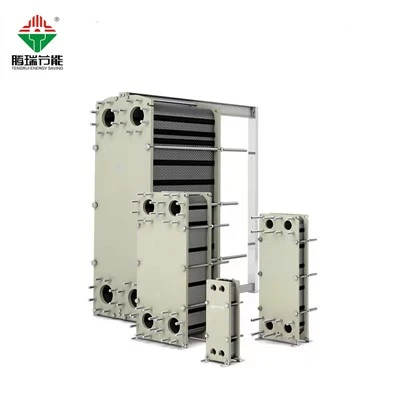
The corrugated plates of a plate heat exchanger form flow channels that create turbulence and enhance heat transfer. If the fluid cannot be distributed evenly among the channels, some areas of the plates may not be fully utilized. Proper fluid distribution helps maximize the effective heat transfer area and maintain stable heat transfer performance.
5.2 Inlet Conditions May Cause Uneven Distribution
If the inlet piping is improperly designed, the inlet velocity is too high, or there is a blockage in the inlet passage, the fluid may not be evenly distributed among the flow channels. Some areas may receive excessive flow while others receive insufficient flow. Long-term uneven flow distribution may reduce local heat transfer performance and increase the risk of fouling in low-flow areas.
5.3 Flow Balance Is Important in Parallel Systems
When multiple heat exchangers or branches operate in parallel, differences in flow resistance between branches may cause uneven flow distribution. In such cases, the piping, valves, pressure, and flow rate of each branch should be checked. Proper flow balancing can improve the overall stability and heat transfer performance of the system.
5.4 Both Excessively Low and Excessively High Flow Velocities Can Cause Problems
Low flow velocity may reduce convective heat transfer and make certain areas more susceptible to deposits. Excessively high flow velocity may increase pressure drop and, under certain conditions, increase the risk of erosion. Therefore, the operating flow velocity should be maintained within a reasonable range based on the equipment design parameters and fluid characteristics.
6. Abnormal Changes in Pressure Drop
6.1 A Lower Pressure Drop May Be Related to Reduced Flow
If the pressure drop across the plate heat exchanger is significantly lower than its normal operating range, this may be related to a decrease in actual flow rate, but the pressure drop alone cannot confirm the cause. The flow rate, pump operating condition, and valve opening should also be checked before drawing a conclusion.
01
6.2 A Higher Pressure Drop May Indicate Blockage or Fouling
When a large amount of fouling, particles, or other deposits accumulate on the plate surfaces, the effective flow area may decrease, resulting in a higher pressure drop. At the same time, the heat transfer performance of the equipment may also be affected. If the pressure drop remains significantly higher than the normal operating range, the flow channels should be inspected for blockage or severe fouling.
02
6.3 Pressure Drop Is an Important Operating Indicator
During normal operation, the inlet and outlet pressures on both sides of the heat exchanger can be compared with design data or historical operating data. Pressure, temperature, and flow data can be analyzed together to identify abnormal operating conditions more accurately. Establishing a baseline pressure drop for normal operation can help detect changes in equipment performance at an early stage.
03
6.4 Pressure Drop Alone Cannot Determine Heat Transfer Performance
Pressure drop is affected by many factors, including flow rate, fluid viscosity, channel configuration, and fouling. Therefore, a change in pressure drop alone cannot be used to determine whether the heat exchanger's performance has decreased. Pressure drop should be evaluated together with inlet and outlet temperatures, flow rates, and actual heat transfer capacity.
04
7. Sealing and Assembly Conditions Are Abnormal
7.1 Aging Gaskets May Reduce Sealing Performance
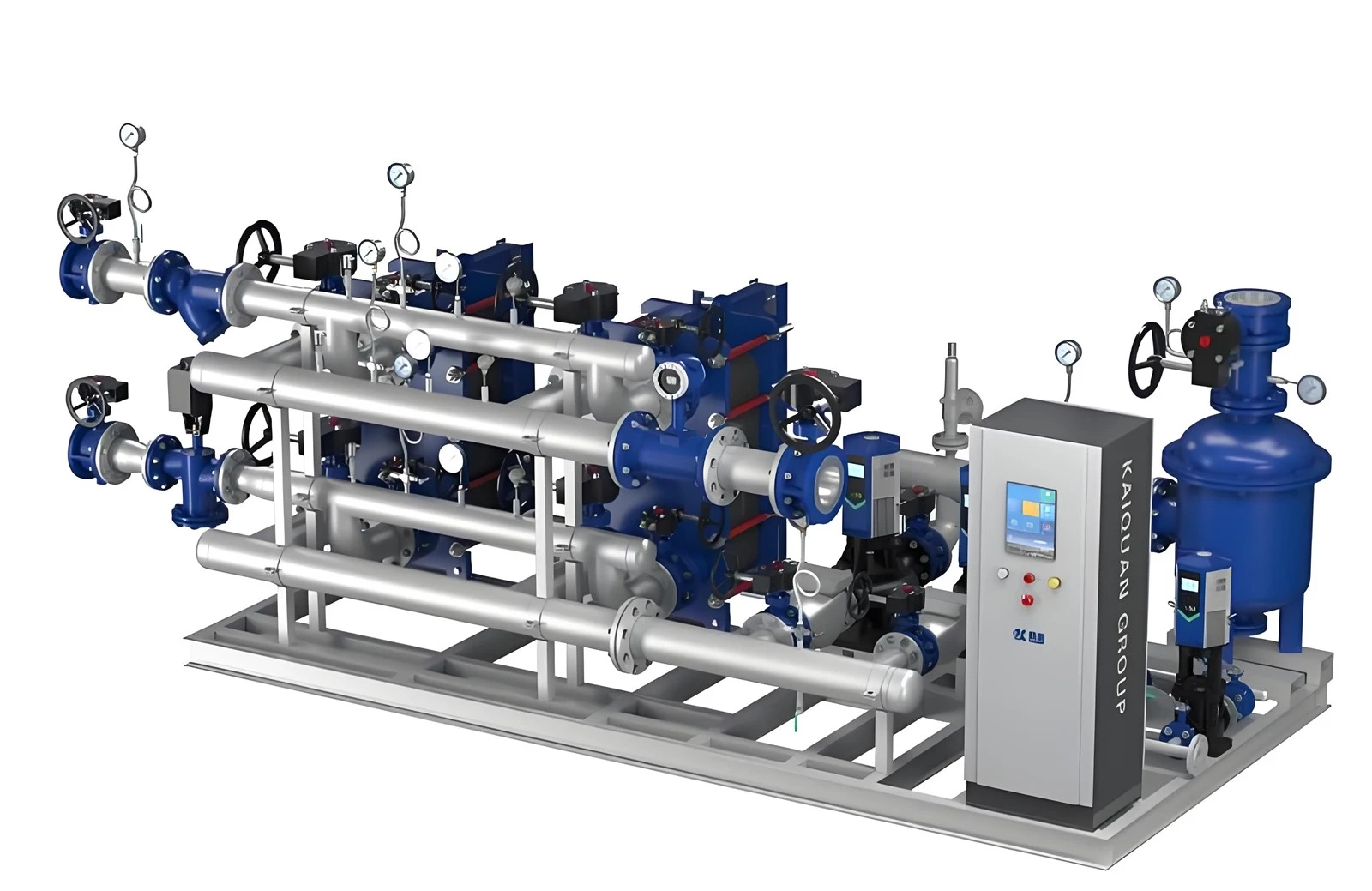
Plate heat exchangers use gaskets to separate the hot and cold fluids and prevent leakage. During long-term operation, gaskets may age, harden, or lose elasticity, which can reduce sealing performance. The service life of gaskets varies depending on the fluid, temperature, pressure, and other operating conditions.
7.2 Leakage or Internal Cross-Contamination Can Affect Normal Operation
If the hot and cold fluids leak internally and mix with each other, the temperature, concentration, or flow conditions on both sides may change, affecting the normal operation of the system. In severe cases, this may cause fluid contamination or damage to other equipment. If abnormal leakage is detected, the equipment should be inspected promptly to identify and address the cause.
7.3 The Plate Compression Dimension Must Meet the Required Specification
If the plate compression dimension is incorrect after maintenance, the sealing condition and internal flow channel gap may be affected. During reassembly, the compression dimension specified by the heat exchanger manufacturer should be followed. Both excessive and insufficient compression may adversely affect sealing performance and normal equipment operation.
7.4 Even Minor Leakage Should Be Addressed Promptly
A minor leak may not immediately cause a serious problem, but it can gradually become worse during continued operation. Therefore, abnormal leakage should be inspected promptly rather than being ignored. Timely maintenance can reduce the risk of plate damage and unplanned system shutdowns.
8. Inadequate Maintenance and Improper Operating Management
8.1 Failure to Clean the Heat Exchanger for an Extended Period
Plate heat exchangers should normally be cleaned according to the fluid type, water quality, operating temperature, and actual fouling conditions. If cleaning is neglected for a long period, deposits may gradually accumulate and increase thermal resistance. Establishing a reasonable cleaning and maintenance schedule is important for maintaining long-term heat transfer performance.
8.2 Lack of Operating Data Records
Without continuously recording inlet temperature, outlet temperature, flow rate, and pressure drop, it is difficult to identify gradual changes in heat exchanger performance. It is recommended to maintain operating records and compare current data with normal operating data. Long-term operating trends can help maintenance personnel identify early signs of performance degradation before a serious problem develops.
8.3 Improper Cleaning Methods
The appropriate mechanical or chemical cleaning method should be selected according to the type of fouling. The cleaning agent should also be compatible with the plate and gasket materials. Incorrect cleaning-agent concentration, temperature, or cleaning time may damage the plates or gaskets, so the cleaning procedure should follow the requirements of the heat exchanger manufacturer and cleaning-agent supplier.
8.4 Long-Term Operation Outside the Design Conditions
Long-term operation beyond the design pressure, design temperature, or allowable flow range may accelerate the aging of plates, gaskets, and other components. It may also prevent the heat exchanger from maintaining its original heat transfer performance. If the production operating conditions change significantly or permanently, the actual heat transfer capacity and operating conditions of the heat exchanger should be reevaluated.
If you want to know more about heat exchanger units or are interested in purchasing, please send an email to 9988xiaoshuai@gmail.com, we will reply you in time after seeing the message!
Professional team
Our company is equipped with a high-quality after-sales service team with technical personnel as the core, and will provide timely feedback upon receiving service information notifications from users.
7x24 hours delivery
Our company provides free technical support for the products we sell and organizes technical training for relevant personnel.