


1. Medium Type and Fluid Characteristics
(1) Name of Hot and Cold Fluids
The types of fluids on both sides of the heat exchanger should be clearly provided, such as cooling water, hot water, steam, thermal oil, or chemical liquids. Different fluids have different heat transfer properties, corrosion characteristics, and operating conditions, which directly affect the equipment design and material selection.
(2) Fluid Composition and Corrosiveness
The chemical composition of the fluids should be provided, including whether they contain acids, alkalis, salts, chloride ions, or other corrosive substances. For corrosive media, materials with better corrosion resistance, such as 316 stainless steel, titanium, or special alloys, may be required.
(3) Fluid Cleanliness
It is necessary to indicate whether the fluid contains particles, sediment, fibers, or other impurities. Fluids with a high amount of impurities may cause plate blockage or fouling, requiring larger flow channels, optimized flow velocity, or special designs.
(4) Physical Properties of Fluids
Important fluid properties, such as density, viscosity, and specific heat capacity, should be provided, especially when handling oils, high-viscosity fluids, or special process media. These parameters directly affect heat transfer calculations and ensure that the heat exchanger can achieve the required performance.
2. Temperature Parameters and Heat Transfer Requirements
(1) Inlet and Outlet Temperatures of Hot and Cold Sides
The inlet and outlet temperatures of both hot and cold fluids should be provided, for example, hot water entering at 90°C and leaving at 60°C, while cooling water enters at 20°C and leaves at 40°C. These temperature values are essential for calculating heat duty, determining heat transfer area, and selecting the appropriate plate quantity.
(2) Required Heat Transfer Capacity
The required heat transfer duty should be specified, including the amount of heat that needs to be transferred during heating or cooling processes. Heat transfer capacity is usually expressed in kW, MW, or kcal/h and is one of the most important parameters for plate heat exchanger selection.
(3) Operating Temperature Range
The normal operating temperature range, maximum temperature, and minimum temperature should be provided. Temperature conditions affect not only plate material selection but also the choice of gasket materials and the overall service life of the equipment.
(4) Heat Transfer Performance Requirements
The required outlet temperature and heat transfer performance should be specified. For processes with strict temperature control requirements, users should provide information about temperature accuracy, stability, and operating conditions.
3. Flow Rate and Pressure Parameters
(1) Flow Rate of Hot and Cold Fluids
The flow rates of both fluids should be provided, usually expressed in m³/h, kg/h, or L/min. Flow rate directly determines the heat transfer capacity, plate quantity, channel design, and overall size of the heat exchanger.
01
(2) Operating Pressure
The actual operating pressure on both sides of the heat exchanger should be provided. Pressure parameters determine the plate thickness, frame structure, gasket design, and pressure-bearing capability of the equipment.
02
(3) Design Pressure
The required design pressure should be specified, which refers to the maximum pressure that the equipment can safely withstand during operation. The design pressure is usually higher than the normal operating pressure to ensure safe operation under pressure fluctuations.
03
(4) Allowable Pressure Drop
The maximum acceptable pressure drop in the system should be provided. Higher fluid velocity can improve heat transfer efficiency but may also increase pressure loss, so the design needs to balance heat transfer performance and pumping energy consumption.
04
4. Plate Material and Equipment Structure Requirements

(1) Plate Material Requirements
The plate material should be selected according to fluid characteristics, temperature, and pressure conditions. Common materials include 304 stainless steel, 316 stainless steel, and titanium. Among them, 316 stainless steel provides better corrosion resistance and is suitable for applications involving salt-containing or mildly corrosive fluids.
(2) Gasket Material Requirements
The gasket material should be selected based on operating temperature and fluid properties. Common gasket materials include EPDM, NBR, and FKM, each with different levels of temperature resistance, oil resistance, and chemical compatibility.
(3) Connection Size and Connection Type
The inlet and outlet pipe sizes, connection methods, and piping standards should be provided. Information such as flange dimensions and connection direction directly affects installation compatibility and helps avoid problems during commissioning.
(4) Heat Exchanger Structure Type
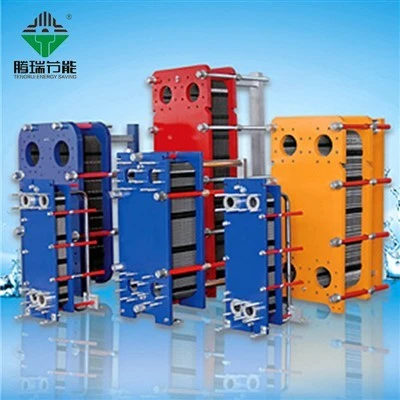
The required structure type should be specified, such as gasketed plate heat exchangers, welded plate heat exchangers, or other special designs. Different structures are suitable for different pressure, temperature, and maintenance requirements.
5. Installation Environment and Operating Conditions
(1) Application Industry and Purpose
The specific application field and purpose should be provided, such as HVAC, chemical processing, food processing, power generation, or refrigeration systems. Different industries have different requirements for hygiene standards, materials, and operating conditions.
(2) Installation Space Requirements
The available installation space should be provided, including limitations on length, width, height, and pipeline arrangement. Proper space planning ensures easier installation, inspection, cleaning, and future maintenance.
(3) Operating Mode
The operating mode should be specified, including whether the equipment operates continuously or intermittently, as well as daily operating hours and working cycles. Equipment used for long-term continuous operation requires higher reliability and durability.
(4) Site Environmental Conditions
Information about the installation environment should be provided, such as indoor or outdoor installation, high humidity, high temperature, or corrosive surroundings. Special environments may require additional protection measures to improve equipment reliability and service life.
6. Cleaning, Maintenance, and Special Requirements
(1) Cleaning Method
The planned cleaning method should be specified, such as manual disassembly cleaning or CIP (Clean-in-Place) cleaning. For fluids that easily cause scaling, fouling, or deposits, a maintenance-friendly design should be considered.
(2) Maintenance Requirements
The expected maintenance frequency and long-term operating requirements should be provided. Proper maintenance planning helps suppliers select suitable plate designs and gasket structures, reducing future maintenance costs.
(3) Expansion and Spare Capacity Requirements
If future production expansion is possible, this requirement should be mentioned in advance. For gasketed plate heat exchangers, additional plates can usually be installed later to increase heat transfer capacity.
(4) Special Standards and Certifications
Any required standards, certifications, or industry specifications should be provided. Export projects, food processing applications, and pressure equipment projects may require compliance with specific regulations.

7. Purchasing Information and Project Requirements
(1) Equipment Quantity and Delivery Schedule
The required quantity and expected delivery time should be confirmed. For large projects or batch purchases, production schedules and supply capacity should be considered in advance.
01
(2) Quotation and Trade Terms
The quotation requirements should be clearly specified, including trade terms such as EXW, FOB, or CIF, and whether packaging, accessories, or transportation costs are included. Clear quotation conditions help avoid additional costs later.
02
(3) Technical Document Requirements
Users should confirm whether technical documents are required, such as equipment drawings, calculation reports, operation manuals, and material certificates. Complete technical documents help with installation, inspection, and future maintenance.
03
(4) After-Sales Service Requirements
The required after-sales support should be specified, including installation guidance, commissioning assistance, and technical support. For large industrial projects, reliable after-sales service helps ensure stable long-term operation.
04
If you want to know more about heat exchanger units or are interested in purchasing, please send an email to 9988xiaoshuai@gmail.com, we will reply you in time after seeing the message!
Professional team
Our company is equipped with a high-quality after-sales service team with technical personnel as the core, and will provide timely feedback upon receiving service information notifications from users.
7x24 hours delivery
Our company provides free technical support for the products we sell and organizes technical training for relevant personnel.
