1. Fouling and Deposit Accumulation on Heat Transfer Plates
1.1 Scale Formation
When water contains high concentrations of calcium and magnesium ions, scale may form on the plate surfaces under suitable temperature and concentration conditions. Scale generally has lower thermal conductivity than the metal plates, increasing thermal resistance and reducing overall heat transfer performance. As scale accumulates, the heat exchanger may experience outlet temperature deviations and increased energy consumption.
1.2 Sludge and Particle Deposition
Impurities such as sediment, rust, and suspended particles in circulating water may accumulate on the plate surfaces or inside narrow flow channels. These deposits not only obstruct heat transfer but may also reduce the effective cross-sectional area available for fluid flow. In severe cases, the pressure drop increases, and the actual flow rate may be affected.
1.3 Biological Fouling
When water quality is poorly controlled and suitable temperatures and nutrients are present, microorganisms may form biofilms on the plate surfaces. These biofilms increase thermal resistance and can trap other suspended particles, accelerating fouling. In long-term cooling water applications, appropriate water treatment and cleaning measures should be implemented according to water quality conditions.
1.4 Improper Cleaning Intervals
If the heat exchanger is not cleaned for an extended period, accumulated deposits may become thicker and progressively reduce heat transfer performance. Cleaning too frequently can also increase maintenance costs, while inappropriate cleaning methods may damage the plates or gaskets. A suitable cleaning schedule should be established based on fluid characteristics, operating conditions, pressure drop trends, and maintenance records.
2. Insufficient or Abnormal Fluid Flow Rates
2.1 Actual Flow Rate Below the Design Value
When the actual flow rate on either the hot or cold side falls below the design value, the heat exchanger may be unable to meet the required process demand. Reduced flow changes the fluid velocity, Reynolds number, and convective heat transfer coefficient. The actual effect depends on the flow regime and equipment design. If the flow rate remains insufficient, the pump, valve openings, and pipeline resistance should be checked.
2.2 Pump Malfunctions
Incorrect pump selection, impeller wear, or mechanical faults may reduce the fluid delivery capacity. Even when the pump is running, the actual flow rate may be lower than expected because of insufficient pump head or excessive system resistance. Checking pump operating parameters, inlet and outlet pressures, and actual flow rates can help identify circulation problems.
2.3 Improper Valve Settings
Valves that are insufficiently open or incorrectly adjusted may restrict fluid flow, preventing the heat exchanger from reaching its design operating conditions. Flow fluctuations may also occur when control valves or actuators malfunction. Operators should inspect valve conditions and adjust flow rates according to process requirements rather than increasing flow indiscriminately.
2.4 Mismatch Between Flow Rate and Heat Load
When the production load changes, the fluid flow rate may need to be adjusted accordingly. If the flow rate does not match the actual operating demand, the heat exchanger may operate away from its design conditions. Excessively low flow can lead to insufficient heat transfer, while excessively high flow may increase pressure drop and pumping energy consumption. An appropriate control strategy should consider heat load, inlet and outlet temperatures, flow rates, and allowable pressure drop.
3. Changes in the Temperature Difference Between Hot and Cold Fluids
3.1 Hot Fluid Inlet Temperature Deviates from the Design Value
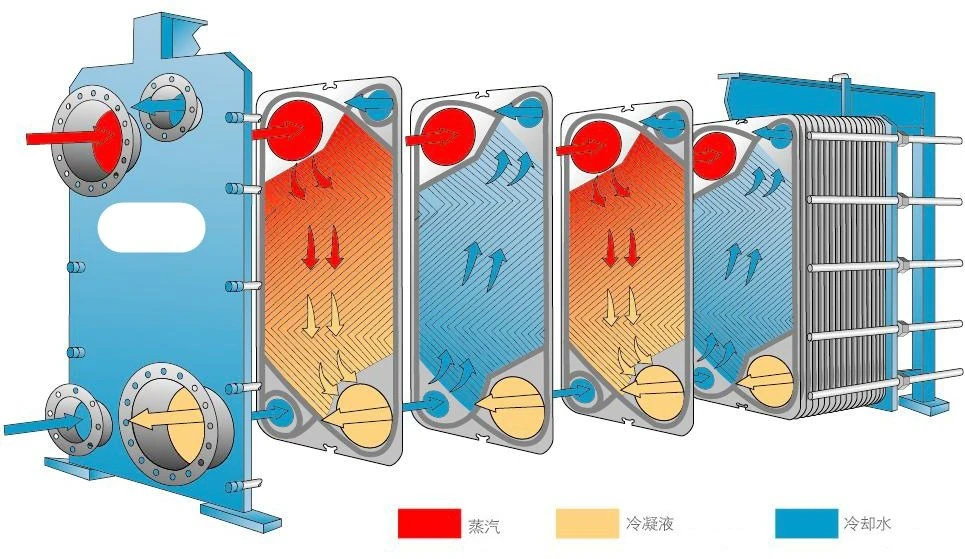
The heat transfer capacity of a plate heat exchanger depends not only on its structure but also on the average temperature difference between the hot and cold fluids. When the hot fluid inlet temperature decreases, the available temperature difference may become smaller, making it difficult to achieve the expected outlet temperature. During troubleshooting, the heat source and the inlet and outlet temperatures on both sides should be checked.
3.2 Cold Fluid Inlet Temperature Increases
When the cold fluid inlet temperature rises, the temperature difference between the hot and cold fluids may decrease, reducing the achievable heat transfer rate. In cooling systems, this may result in a higher cooling water outlet temperature or insufficient cooling of the process fluid. The cooling tower, chiller, and cooling water circulation system should be inspected to ensure proper operation.
3.3 Changes in the Actual Heat Load
The heat load of an industrial process may vary with production volume, equipment operating conditions, or ambient temperature. If the actual heat load exceeds the design capacity of the heat exchanger, the outlet temperature may deviate from the target value. The actual operating conditions should be compared with the design parameters to determine whether the problem is caused by an increased heat load or deteriorating equipment performance.
3.4 Inaccurate Temperature Measurements
Aging temperature sensors, improper sensor installation, or inaccurate instrument calibration may lead operators to misjudge heat exchanger performance. A single outlet temperature is generally insufficient to determine the overall thermal performance of the equipment. A comprehensive assessment should include inlet and outlet temperatures, flow rates, and the specific heat capacities of both fluids.
4. Blocked Flow Channels and Increased Flow Resistance
4.1 Solid Particles Blocking the Flow Channels
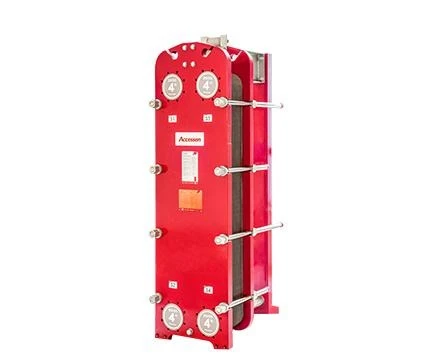
The flow channels in plate heat exchangers are relatively narrow, making them susceptible to the accumulation of large particles and impurities. Blockages reduce the effective flow area and alter the fluid distribution and flow pattern. In severe cases, some channels may receive insufficient flow, resulting in reduced local heat transfer performance.
01
4.2 Failure of Filtration Equipment
If the inlet filter is damaged, the filter mesh is broken, or the filtration rating is inadequate, impurities may enter the heat exchanger. As these impurities accumulate, the risk of channel blockage increases. Filters should be inspected regularly, including checks of differential pressure and mesh condition, and cleaned according to the cleanliness requirements of the fluid.
02
4.3 Abnormally High Pressure Drop
Fouling and blocked flow channels can increase the resistance that fluids must overcome when passing through the heat exchanger. If the system cannot provide sufficient differential pressure, the actual flow rate may decrease, further reducing heat transfer performance. The design pressure drop, actual flow rate, and operating pressures should be evaluated together rather than assuming that an abnormal pressure drop necessarily indicates blockage.
03
4.4 Uneven Cleanliness Across Flow Channels
If some channels are heavily fouled while others remain relatively clean, fluids may preferentially flow through channels with lower resistance. This uneven flow distribution reduces the effective use of the available heat transfer surface. The plate condition should be inspected, and cleaning should be performed according to the equipment design and manufacturer's recommendations.
04
5. Uneven Distribution of Hot and Cold Fluids
5.1 Uneven Fluid Distribution
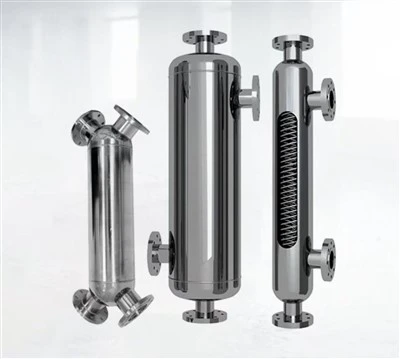
A plate heat exchanger relies on an appropriate flow channel arrangement to ensure that both hot and cold fluids flow effectively through their respective channels. If the fluids are distributed unevenly, some areas of the heat transfer plates may not be fully utilized. Even when the total flow rate appears normal, overall heat transfer performance may still deteriorate.
5.2 Improper Inlet and Outlet Piping Design
Incorrect pipe sizing, excessive elbows, or high local resistance may affect fluid distribution as it enters the heat exchanger. Depending on the design and operating conditions, these factors may cause local velocity differences or uneven flow distribution. The piping layout, connection orientation, and installation requirements provided by the manufacturer should be checked.
5.3 Gas Accumulation in Certain Channels
If the system is not adequately vented, air or other gases may accumulate in certain areas of the heat exchanger. Gas accumulation can occupy part of the flow channel, reduce the effective heat transfer area, and interfere with fluid circulation. Appropriate venting arrangements should be provided according to the equipment design, and trapped gas should be removed in accordance with operating procedures, particularly after startup or maintenance.
5.4 Incorrect Installation or Operating Conditions
If the installation orientation, piping connections, or pipe supports do not comply with the manufacturer's requirements, normal equipment operation may be affected. For certain designs, improper installation may also make venting, draining, or maintenance more difficult. During installation and commissioning, the equipment drawings, connection orientations, and design operating conditions should be verified.
6. Plate Damage and Sealing System Problems
6.1 Plate Corrosion
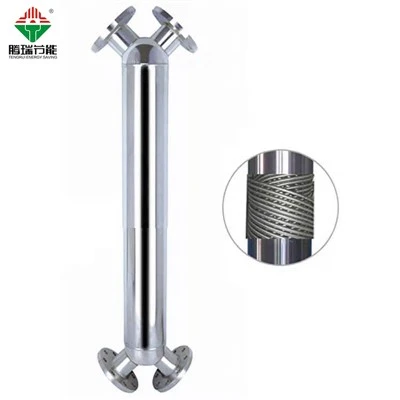
If the plate material is incompatible with the chemical properties of the process fluid, pitting corrosion, crevice corrosion, or other forms of corrosion may occur. Corrosion can compromise plate integrity and, in severe cases, cause fluid leakage or cross-contamination between the hot and cold sides. Material selection should consider fluid composition, chloride concentration, temperature, fluid concentration, and corrosion resistance.
01
6.2 Plate Deformation or Damage
Operating pressures or temperatures beyond the design limits, thermal shock, or improper mechanical handling may cause plate deformation or damage. Once the corrugated plate structure is affected, flow distribution and heat transfer conditions may also change. During maintenance, the plate surfaces, corrugations, and contact areas should be inspected, and damaged plates should be replaced when necessary.
02
6.3 Gasket Aging
Gaskets are exposed to temperature fluctuations, chemical attack, and compressive stress over time. These conditions may cause the gaskets to harden, crack, or lose elasticity. Gasket failure may initially appear as external leakage or internal cross-leakage and does not necessarily cause an immediate decrease in heat transfer efficiency. However, if leakage subsequently affects flow rate, pressure, or fluid composition, equipment performance may deteriorate indirectly.
03
6.4 Improper Equipment Assembly
In gasketed, demountable plate heat exchangers, incorrect plate sequencing, improper gasket installation, or incorrect tightening dimensions may affect the formation of flow channels and sealing performance. Improper assembly may also cause leakage, bypass flow, or uneven fluid distribution. After maintenance, the plate arrangement, tightening dimensions, and sealing condition should be verified according to the manufacturer's requirements.
04
7. Changes in Fluid Properties and Operating Conditions
7.1 Increased Fluid Viscosity
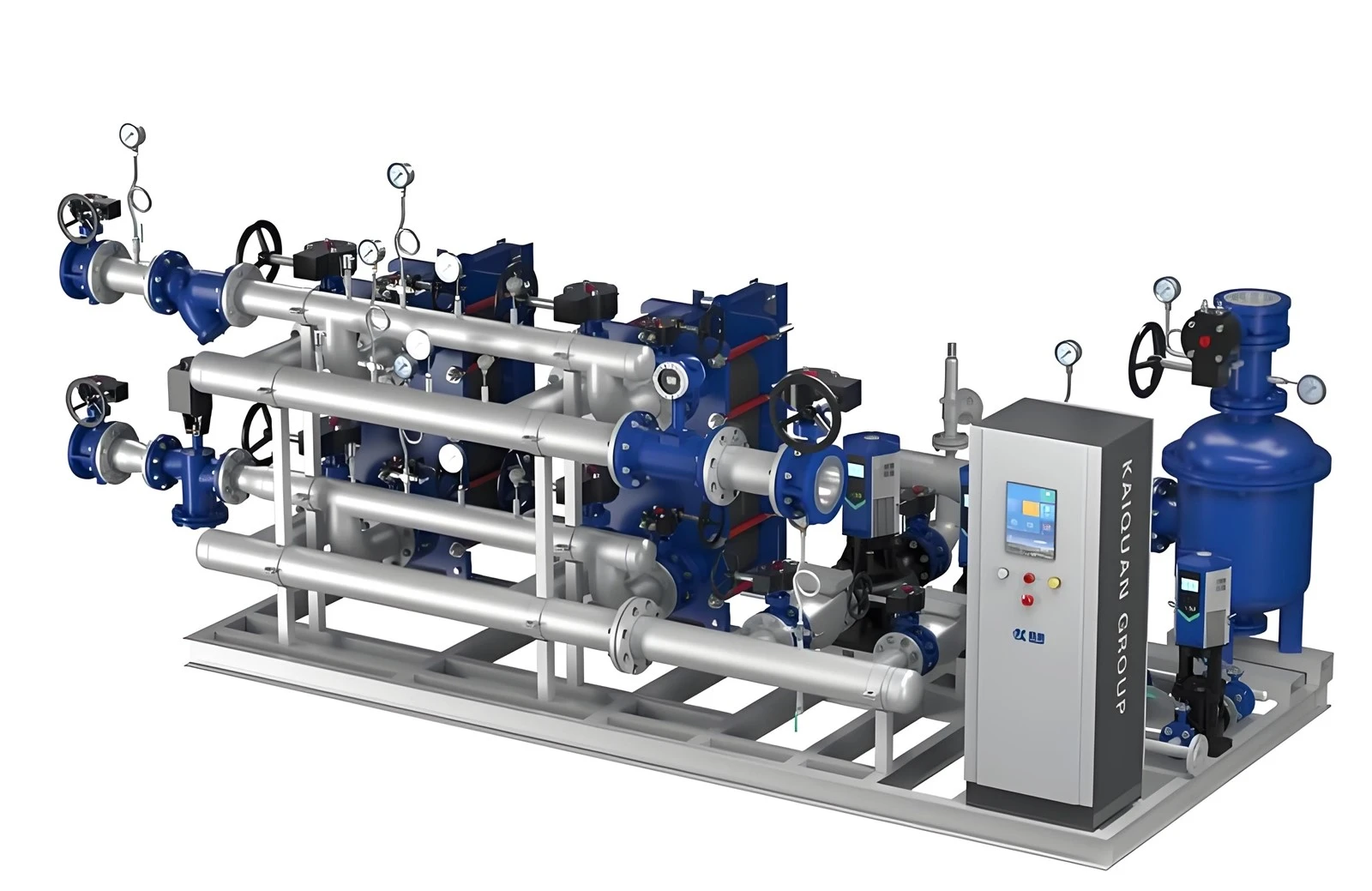
Fluid viscosity may increase when the temperature decreases or the fluid composition changes. Higher viscosity generally makes fluid flow through plate channels more difficult, potentially reducing the convective heat transfer coefficient and increasing flow resistance. For high-viscosity process fluids, the equipment operating conditions should be reassessed based on the actual temperature, flow rate, and fluid properties.
7.2 Changes in Fluid Concentration
In chemical processing and other industrial applications, changes in fluid concentration may affect density, viscosity, specific heat capacity, and thermal conductivity. These changes influence fluid flow behavior and the heat transfer process. If the actual fluid composition differs significantly from the design conditions, the heat exchanger's ability to meet process requirements should be reevaluated.
7.3 Phase Changes or Fluid Vaporization
When a fluid undergoes boiling, condensation, or local vaporization during heat exchange, its heat transfer mechanism may differ significantly from that of single-phase flow. If phase-change conditions have not been adequately considered in the design, problems such as unstable flow, local dryout, or abnormal pressure drop may occur. For applications involving phase changes, the design parameters should be checked against the actual pressure, temperature, and phase conditions.
7.4 Operating Parameters Outside the Design Range
Long-term operation beyond the specified temperature, pressure, or flow rate may result in unstable heat transfer performance and increase the risk of equipment damage. Such changes may also cause the actual operating conditions to deviate from the original design point, preventing the outlet temperature from meeting process requirements. Actual operating data should be compared regularly with the equipment nameplate, design documentation, and manufacturer's specifications.
8. Inadequate Maintenance and Operating Management
8.1 Lack of Regular Performance Monitoring
Without regularly recording inlet and outlet temperatures, fluid flow rates, and pressure drops, operators may struggle to identify changes in heat exchanger performance promptly. Abnormal operating parameters often appear before a major equipment failure occurs. Maintaining operating records and analyzing performance trends can help identify early signs of deterioration.
01
8.2 Incorrect Cleaning Methods
Cleaning agents that are incompatible with the plate material may cause corrosion or damage the gaskets. Excessive cleaning pressure, inappropriate cleaning duration, or residual chemicals after cleaning may also shorten equipment service life. Before cleaning, operators should confirm the plate material, fouling type, and chemical compatibility, and follow the manufacturer's instructions.
02
8.3 Failure to Verify Performance After Maintenance
If flow rates, pressure drops, temperatures, and sealing conditions are not checked after cleaning or maintenance, unresolved problems may go unnoticed. Partial blockages, incorrect assembly, or sealing defects may only become apparent after the equipment returns to operation. Appropriate inspections should be conducted after startup, and the results should be compared with pre-maintenance data and the original design conditions.
03
8.4 Lack of Systematic Troubleshooting
When outlet temperatures become abnormal, simply increasing pump speed or repeatedly adjusting valves may not resolve the underlying problem. Reduced heat transfer performance can result from several interacting factors involving the equipment itself, the circulation system, fluid properties, and control strategy. A systematic troubleshooting process helps reduce repeated maintenance and improve operational reliability.
04
Conclusion
A decrease in plate heat exchanger heat transfer performance is rarely caused by a single factor. It is often the result of several interacting issues, including fouling, abnormal flow rates, changes in temperature differences, blocked channels, uneven fluid distribution, and inadequate maintenance.
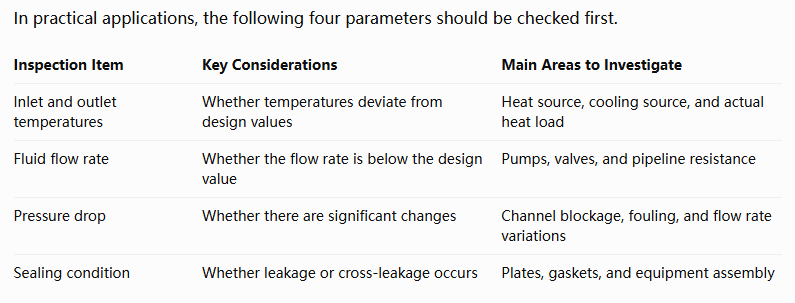
It is important to note that reduced heat transfer efficiency, insufficient heat transfer capacity, and a lower overall heat transfer coefficient are not exactly the same thing. Accurate diagnosis requires a comprehensive assessment of hot- and cold-side flow rates, inlet and outlet temperatures, fluid properties, and equipment design conditions. Conclusions should not be based on a single temperature or pressure drop measurement alone.
Through proper equipment selection, standardized operation, regular cleaning, and systematic maintenance, the risk of performance deterioration can be reduced, helping plate heat exchangers operate reliably over the long term.
If you want to know more about heat exchanger units or are interested in purchasing, please send an email to 9988xiaoshuai@gmail.com, we will reply you in time after seeing the message!
Professional team
Our company is equipped with a high-quality after-sales service team with technical personnel as the core, and will provide timely feedback upon receiving service information notifications from users.
7x24 hours delivery
Our company provides free technical support for the products we sell and organizes technical training for relevant personnel.