I. Shell-and-tube heat exchangers
As a "mainstay" in the industrial sector, shell-and-tube heat exchangers, thanks to their robust and durable characteristics, dominate in high-temperature and high-pressure operating conditions, accounting for over 60% of applications.
1. Core structure: It consists of a cylindrical shell, internal tube bundle, tube sheets, and baffles. The fluid is divided into the tube side (flow inside the tubes) and the shell side (flow outside the tubes), and heat exchange is achieved through the tube walls.
2. Core Advantages: Extremely high resistance to high pressure and high temperature, suitable for temperature ranges from -200℃ to 1000℃ and ultra-high pressure conditions; robust and reliable structure, good resistance to media containing impurities and prone to scaling, and the tube side can be cleaned mechanically.
3. Main disadvantages: Relatively low heat transfer efficiency (only 1/3 to 1/5 of plate type), large size, large footprint, high material consumption, and high initial installation cost.
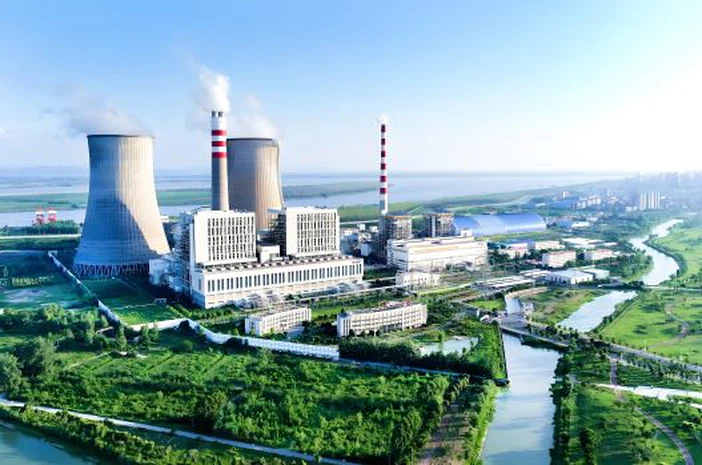
4. Applicable scenarios: Core sectors such as petrochemicals, power generation, pharmaceuticals, and heavy industry, including applications such as crude oil distillation preheating, boiler feedwater heating, turbine condensation, and pharmaceutical liquid concentration.

II. Plate Heat Exchanger

This highly efficient and compact new type of heat exchanger is widely used in low-to-medium pressure, clean fluid applications, and is particularly suitable for projects with strict requirements for space and efficiency.
1. Core structure: Composed of stacked corrugated thin metal plates. The plates are sealed together by gaskets (removable type) or welding (welded type), forming alternating flow channels through which the cold and hot fluids flow in opposite directions.
2. Core Advantages: Extremely high heat transfer efficiency, with a heat exchange surface area per unit volume that is 2-5 times greater than that of shell-and-tube heat exchangers; compact structure and small footprint; detachable models facilitate cleaning and maintenance, and the heat exchange capacity can be flexibly adjusted by adding or removing plates.
3. Main disadvantages: Limited temperature and pressure resistance (conventional removable type ≤ 2.5 MPa, ≤ 200°C), high requirements for media cleanliness, prone to clogging, and higher risk of internal leakage compared to shell-and-tube heat exchangers.
4. Applicable scenarios: HVAC, district heating, domestic hot water, food and beverage, light chemical industry, etc., such as central air conditioning heat exchange in hotels, milk pasteurization and cooling, and household heating systems.
5. Key aspects for export: Detachable models are favored by overseas small and medium-sized enterprises and commercial projects due to their ease of maintenance; welded models can overcome pressure limitations and are suitable for mid-to-high-end industrial applications.
Volumetric Heat Exchangers
Combining heat exchange and water storage functions, it is a core component of residential and commercial hot water systems, focusing on stable supply.
1. Core structure: The vertical or horizontal water storage tank contains U-shaped or coiled heat exchange tubes. The heating medium flows inside the coils, heating the cold water stored in the tank.
2. Core advantages: It has built-in heat storage capacity, which can buffer fluctuations in the heat source, ensuring immediate hot water supply and strong adaptability to changes in water demand, resulting in stable operation.
3. Main disadvantages: Lowest heat transfer efficiency (slow water flow inside the tank), large size, prone to scaling, and difficult to clean and maintain.
4. Applicable scenarios: Hotels, hospitals, public bathhouses, large residential buildings, and other places requiring a stable supply of hot water.

Supplement
Quick decision-making logic for product selection (adapted for international trade negotiation scenarios)
1
Requires water storage and pressure stabilization → prioritize using a volumetric heat exchanger
2
High temperature and high pressure / medium is prone to fouling and scaling → shell and tube heat exchangers are preferred
3
Low to medium pressure / clean fluid / limited space → Plate heat exchanger is the preferred choice
If you want to know more about heat exchanger units or are interested in purchasing, please send an email to 9988xiaoshuai@gmail.com, we will reply you in time after seeing the message!
Professional team
Our company is equipped with a high-quality after-sales service team with technical personnel as the core, and will provide timely feedback upon receiving service information notifications from users.
7x24 hours delivery
Our company provides free technical support for the products we sell and organizes technical training for relevant personnel.